
To get started as a vendor, register your business, choose your products, find the right events, and submit vendor applications.
Becoming a vendor is exciting…and a little overwhelming. With applications, insurance, permits, packing lists, and more, it’s easy to wonder if you’re actually ready or if you’re missing something essential.
Without getting lost in the planning weeds, this guide is designed to help you understand where and how to start vending, so you can feel confident before hitting your first event.
7 Core Things You Need to Become a Vendor
Whether you’re selling handmade goods at a festival or promoting your services at an expo, most vendors are expected to have certain things in place before setting foot on the floor and starting to vend.
Events typically require you to have:
- A registered business: This could be a sole proprietorship using your legal name, a DBA (doing business as), or a formal business entity
- Tax forms: Some cities or states require you to have an EIN or W-9 for tax reporting
- A seller’s permit or resale certificate: When selling taxable goods, you may need to collect and remit sales tax for a specific state
- Vendor insurance: Most event organizers uphold vendor insurance requirements, typically consisting of general liability insurance (often bundled with product liability when selling goods) with additional insured status, and they’ll likely ask to see proof of this coverage in the form of a Certificate of Insurance (COI)
- Application materials: This often includes photos of your booth setup, a list of what you sell, pricing details, details on samples or live demonstrations, and power requirements (lighting, electrical needs, generators, etc.)
- Event agreements: You may be asked to understand and agree to follow fire codes, event safety policies, electrical guidelines, and refund policies
- Food-specific documents (food and beverage vendors only): Vendors selling consumable goods are often asked to provide their menu, health department permits, inspection approvals, and sometimes food liability or liquor liability insurance
Not every event will have the same requirements, but most require some combination of these basics.
What to Expect When Becoming a Vendor
Every vendor’s path looks different, but here’s how the process usually unfolds from idea to event day:
- Attend local events for inspiration: Talk to vendors, see what setups you like most, and get a feel for what other vendors charge
- Choose what to sell: Consider who your ideal customer is and how you want to market to them at events
- Find events that match your audience: Farmers markets, flea markets, festivals, and trade shows all attract different crowds and have varying expectations
- Get the core basics in place: This typically includes registering your business, securing vendor liability insurance, and gathering required documents before you can apply (be sure to check specific event requirements first)
- Submit a vendor application: Applications may be reviewed first-come, first-served or through a jury process, so approval times can vary
- Prep for event day: Practice setting up and then pack your inventory, signage, payment tools, and a copy of your Certificate of Insurance
- Understand your risks: When doing a trial run of your setup, assess for potential risks or hazards, and understand how to mitigate those now (because it can prevent a costly accident later)
- Show up and sell: Check in with the event organizer, set up safely, and focus on connecting with customers
For first-time vendors, it’s normal for this process to feel unfamiliar. Most event organizers expect questions and are happy to clarify requirements!

Vendor Requirements Vary by Events
Not all vendors are evaluated the same way. A handmade jewelry booth and a food truck face very different requirements, and even at similar events, rules may be enforced differently.
Below is a high-level look at what may come up depending on where you sell.
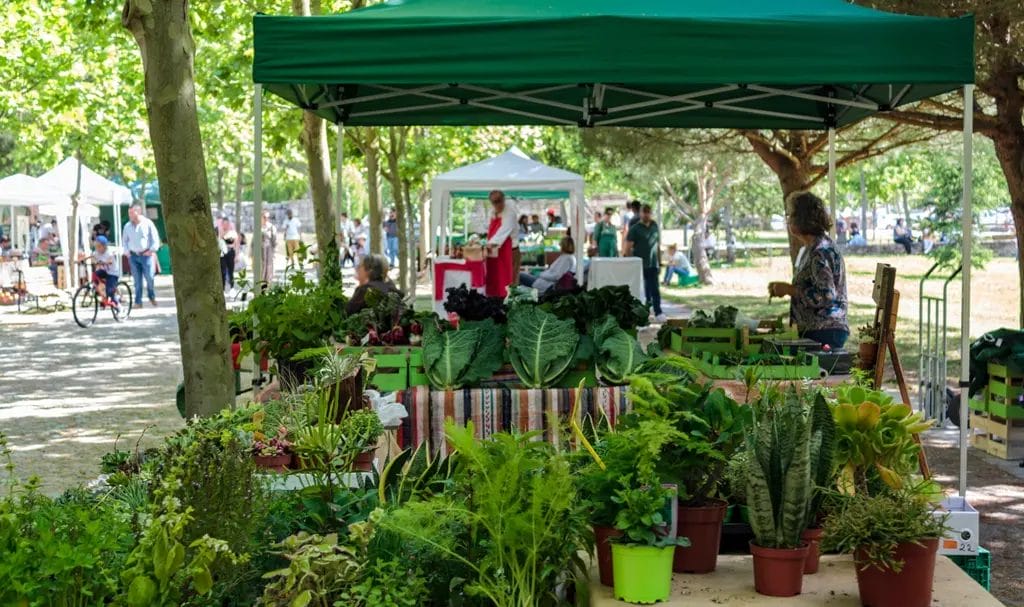
Farmers Markets
Farmers markets are usually community-focused, but they still take food safety seriously.
- If you sell food or drinks, you’ll likely need approval from the local health department
- Sampling is often allowed, but there are usually specific rules around how it’s done
- Food trucks and mobile kitchens may need inspections before the event
- Packaged goods often need clear labels with ingredients and allergens
Learn more about farmers market vendor insurance today!
Festivals
Festivals tend to have bigger crowds, which means more rules behind the scenes.
- Insurance limits are often higher, and organizers may ask for special “additional insured” wording
- Events may have crowd flow, safety, or security plans in place
- Electrical hookups, generators, and open flames are commonly inspected
Flea Markets
Flea markets are often one of the easiest places to start vending.
- Requirements are usually more relaxed than at large festivals
- You may still need a seller’s permit to collect sales tax
- Basic liability insurance is sometimes required, especially at indoor or recurring markets

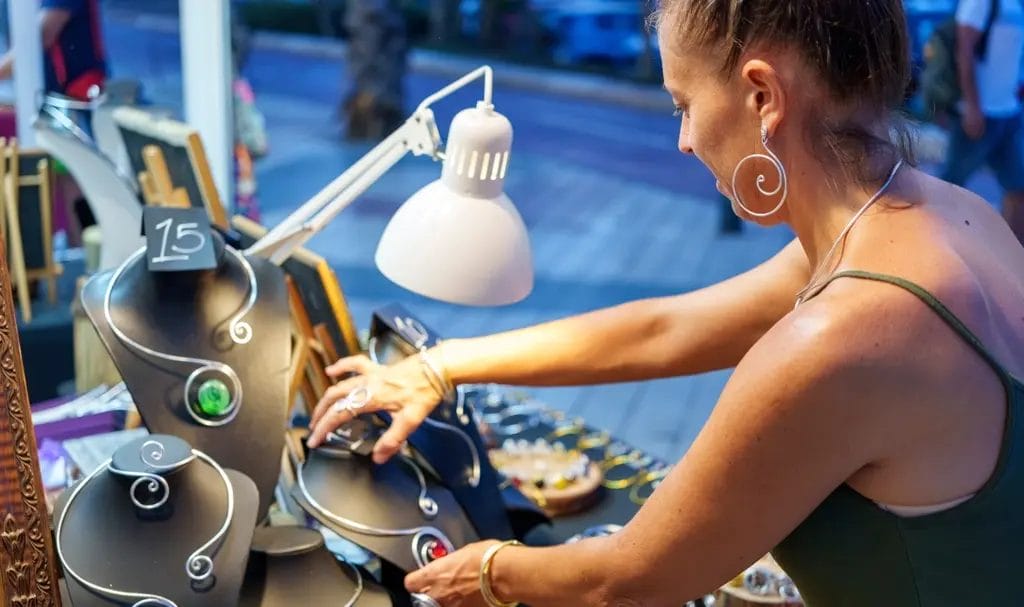
Craft Fairs & Maker Markets
These events focus heavily on presentation and shopper safety.
- Products may need basic safety labeling, especially for items like candles or cosmetics
- Booths should feel sturdy and well-organized
- Clear walkways help prevent trips and make your space more inviting
Food Festivals & Pop-ups
Food-only events usually come with extra oversight.
- Temporary food permits are common, even for short events
- Hot oil, grills, and fryers often have specific safety rules
- Food liability coverage and health inspections are typically required
Plan on Offering Alcohol?
Vendors offering alcoholic beverages should expect additional requirements and licenses. Learn more with these free resources:
Trade Shows & Conventions
Trade shows are more structured and can feel very “by the book.”
- Insurance paperwork (like your COI) usually needs to be very specific
- Some venues use unions for setup, electrical, or rigging
- Setups and teardowns happen on tight schedules, sometimes with assigned time slots

Why Vendor Applications Are Rejected (& How to Avoid Simple Mistakes)
A rejected vendor application doesn’t mean you did something wrong, and many times the mistakes that lead to a rejection are quickly fixable. Take a deep breath and focus on what you can control!
Common reasons for a rejection include:
- Incomplete vendor application
- Missing/unattached paperwork
- Incorrect insurance details (like forgetting to add an additional insured)
- Unpaid or late booth fees
Rejection can sometimes relate to event fit rather than readiness. Some event organizers limit the types of sellers at their events to reduce competition. Other events (like art fairs) may have a strict jury selection process.
To better your chances of acceptance:
- Double-check application instructions
- Submit clear, professional photos of your booth (even if you have to do a mock set-up in your own backyard!)
- Make sure your vendor Certificate of Insurance matches the event’s requirements
- Apply early whenever possible
How Much Does It Cost to Be a Vendor?
There’s no single price tag for becoming a vendor. Costs depend on what you sell, where you sell, and how often you sell! Common vendor expenses include:
- Booth fees
- Vendor insurance
- Equipment and supplies
- Inventory and materials
Many first-time vendors start small and build their setup over time by reinvesting what they earn at events.
Did You Know?
The cost of one day vendor insurance starts at $49/event for up to three days of coverage from Insurance Canopy!
Happy Vending!
Every vendor starts somewhere. The hardest part is making the first move — and you’re nearly there! Just know you don’t have to know everything on day one. Each event gets easier, each application makes more sense, and your setup will keep improving along the way.
Say hi to your future customers for us!
Get Vendor Insurance Instantly
Meet event requirements quickly and confidently for as low as $49/event!
FAQs About How to Become a Vendor
How Do I Get a Vendor's License In My State?
Get a vendor’s license in your state by checking your state’s requirements for temporary event vendors. Most sellers need a registered business license or sales tax permit, which are typically offered through a state’s tax agency.
Every state has different requirements, with many offering vendor licenses on a county, city, or event level. Event organizers can help you understand what is required and how to find that information.
How Long Does Vendor Approval Take, and What If an Event Is Soon?
Vendor approval times will vary, with some organizers responding within days and others within weeks. You likely may not hear back until after the application deadline has passed.
If an event is soon, they most likely have closed applications and accepted their vendors. Some events may accept additional vendors as backup (in case an accepted vendor has to drop out at the last minute). Other events may have open or rolling applications leading up to the event date.
If you have applied to an event but have not heard back, contact the event organizer or vendor coordinator to check the status of your application.
What Permits Do Food Vendors Need vs. Craft Vendors?
Food vendors typically need health department permits and inspections, while craft vendors usually need sales tax registration. Both food and craft vendors are commonly required to carry liability insurance.