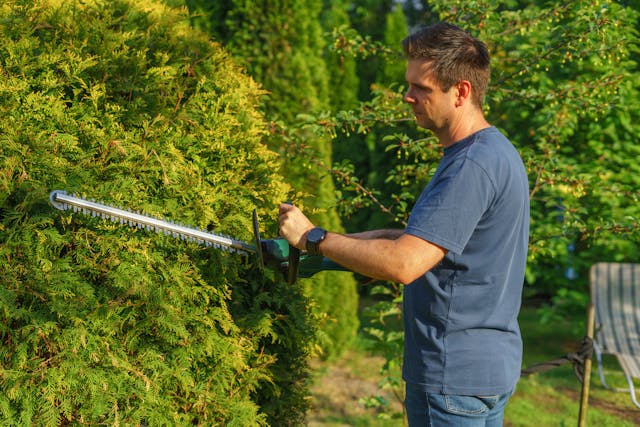
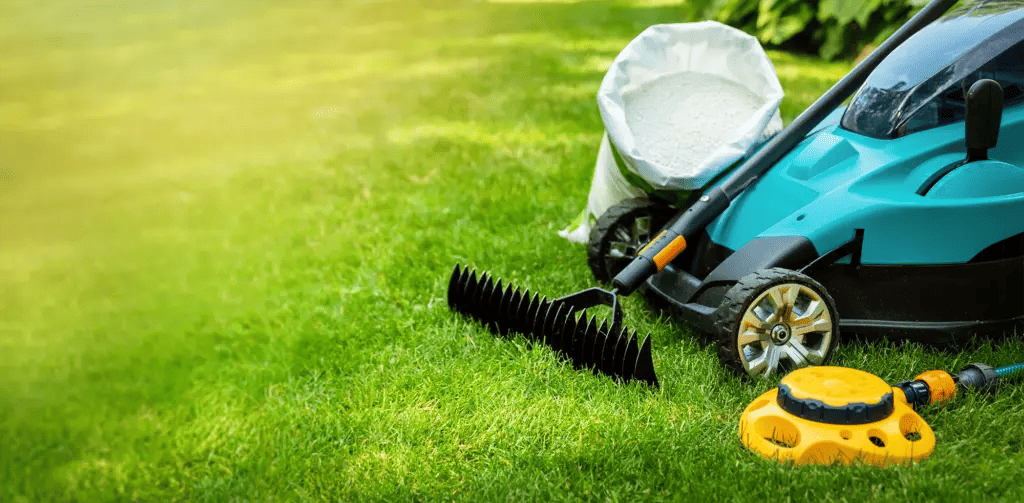
Starting a lawn care business or tightening up your toolkit? We’re covering the essentials you need to deliver clean cuts and tidy edges from day one, the upgrades that save time as your client list grows, and the specialty tools that unlock higher-value jobs.
Grab our free downloadable checklist to assess your kit, plan purchases, and roll into busy season ready to mow.
Did you know?
Your base lawn care insurance policy doesn’t cover your business tools and gear. Don’t worry! You can upgrade with trailer and equipment insurance, which covers some or all of the cost to repair or replace your equipment if it’s damaged or stolen.
Lawn Care Business Startup Kit Quick Guide
Only have a few minutes between jobs? No problem.
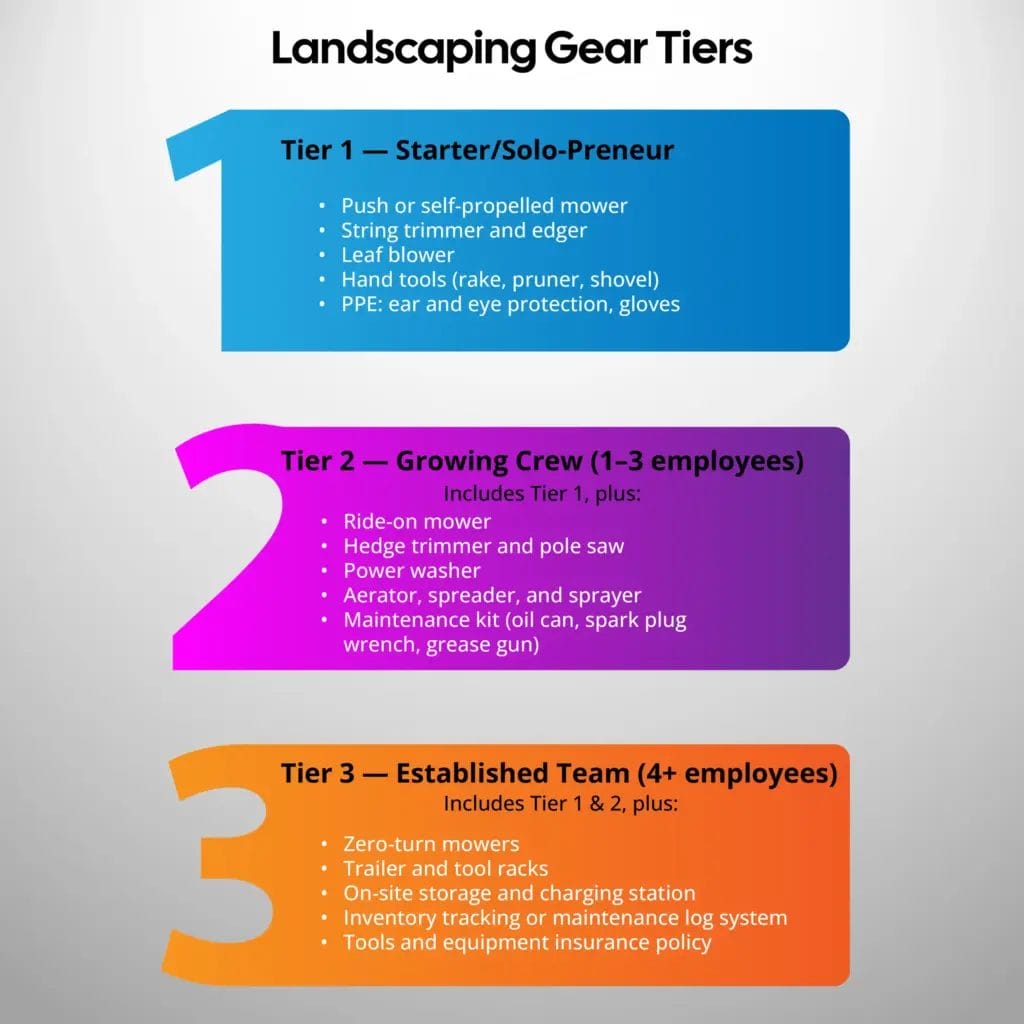
Check out this quick reference for the essential equipment you need to get jobs done, whether you’re working solo, starting to expand, or running a multi-truck crew.
What’s New in Lawn Care Equipment for 2026 (and Beyond)
Lawn care equipment continues to evolve, allowing you to work smarter and faster. Explore these industry-shaping lawn care equipment trends to stay on the cutting edge of landscaping:
- Go green: Battery-powered and electric lawn mowers, leaf blowers, and hedge trimmers are quieter and don’t require as much maintenance — plus, no gas required!
- Get smart: AI-powered tools, GPS tracking, and upgraded sensor technology boost efficiency and reduce theft.
- Try an app: Streamline scheduling with lawn care business software to manage payment, booking, and more, all in one place.
Lawn Care Equipment List + Cost and Budget Breakdown
Knowing what to buy is the first step. Next, you need a simple budget that covers the essentials you need now and accounts for upgrades as your client list grows.
Skip low-quality gear that costs you more than you save with repairs and re-dos. Choose reliable, serviceable tools that reduce downtime and pay for themselves in a few jobs. Plus, don’t forget to consider the total cost of ownership (fuel, batteries, maintenance, and lost time), not just the sticker price.
To help you start planning, this list breaks down the most essential gear, average costs, and the typical lifespan of each piece.
| Tools | Average cost (2025 estimates) | Typical lifespan |
|---|---|---|
|
Push lawn mower |
$300-$600 |
Gas: 5-10 years
Electric: 8-12 years |
|
Ride-on mower |
$1,200-$4,500 |
15-20 years |
|
String trimmer and edger |
$300-$500 |
5-10 years |
|
Leaf blower |
$200-$400 |
5-10 years |
|
Hedge trimmer |
$250-$400 |
5-10 years |
|
Pole saw |
$300-$600 |
5-10 years |
|
Commercial-grade power washer |
$500-$1,200 |
7-12 years |
|
Aerator |
$400-$1,000 |
7-12 years |
|
Spreader |
$200-$600 |
5-10 years |
|
Sprayer |
$150-$500 |
5-10 years |
|
Maintenance kit (air compressor, grease gun, etc.) |
$300-$800 |
10+ years |
|
Zero-turn mowers |
$3,000-$10,000 |
10-15 years |
|
Trailer and tool racks |
$1,000-$3,000 |
10-15 years |
|
On-site storage and charging station |
$2,000-$10,000 |
10-20 years |
Other Tools You May Need
Maintenance is a must in the lawn care business. Make sure your tools last by keeping a kit of essentials, including:
- Oil
- Rags
- Funnels
- Blade sharpeners
- Cleaning or wire brushes
- Screwdriver set
- Fuel stabilizer measuring tool
Protect Your Gear (and Your Bottom Line)
Now that you have the equipment needed for your lawn care business, your top priority is to keep it running smoothly. Maintenance is a no-brainer, but sometimes equipment issues are beyond your control. What happens if a client accidentally runs over your trimmer or someone steals a push mower off your trailer?
That’s where trailer and equipment insurance (aka, inland marine) comes in. While lawn care business insurance covers third-party accidents — such as injuries and property damage — it doesn’t protect your own equipment. Lawn care equipment insurance fills that coverage gap and safeguards your investment.
What it’s designed to cover:
- Theft of tools and equipment from your truck, trailer, shop, or jobsite
- Accidental damage, vandalism, fire, or certain weather events
- Gear while it’s in transit between jobs
- Physical damage to your trailer from covered causes
Why it matters
- Keeps crews working after a loss with repair or replacement coverage
- Reduces out-of-pocket surprises that can wipe out a busy month
- Helps meet client and venue requirements for proof of coverage
- Supports smoother scheduling by limiting downtime and last-minute cancellations
Lawn Care Maintenance Checklist
Every time you’re waiting for repairs or replacements, your business is missing out on jobs. Here are a few tips to keep your gear in good condition and ready for any job:
- Clean tools after each use
- Sharpen your mower blades regularly for healthier lawns
- Remove caked-on grass clippings from mowers or trimmers after each cut
- Lubricate moving parts often to avoid friction and rust
- Inspect cords, belts, and blades at least once a week
- Store your tools in dry, locked spaces for safekeeping
Fill Your Toolbox: Get Your Free Lawn Care Business Equipment Tips
Your business needs gear that works as hard as you do. If you’re ready to level up, download our free equipment checklist to ensure you have everything you need — from push mowers to hedge trimmers to pole saws. This is your go-to guide for building a reliable lawn care kit, ensuring your business stays strong and runs smoothly.
Common Lawn Care Equipment FAQs
Does Inland Marine Insurance Cover Theft From My Trailer?
Yes, inland marine (we call it “trailer and equipment insurance”) covers theft if someone steals equipment from your trailer. It also covers:
- Damage to equipment during transit, loading, or unloading
- Vandalism while stored overnight
- Damage caused by a third party
Trailer and equipment insurance starts at just $155/yr. for a $5,000 coverage limit.
What’s the Difference Between General Liability Insurance and Equipment Coverage?
General liability and equipment insurance are two different types of coverage that work together to protect your business from multiple angles.
- General liability insurance covers third-party injuries, property damage, and non-physical harm, such as defamation or false advertising claims
- Trailer and equipment insurance protects your business’s equipment if it gets stolen or damaged
How Much Money Do I Need to Start a Lawn Care Business?
The average startup cost for a lawn care business is $3,000–$7,000 if you already have a vehicle. If you also need a trailer and/or a used truck, expect to pay around $8,000 to $ 20,000. Typical startup expenses can include:
- Equipment and tools
- Vehicles and trailers
- Insurance, licenses, and permits
- Marketing
- Overhead fees (fuel, maintenance, and initial labor)