Your product: it’s signed, sealed, and ready to be delivered. Except for one tiny little detail — you need to show proof of insurance before you can actually start making any sales.
General liability… Product liability… Public liability?! We get it, it can be confusing!
You don’t need a law degree to decipher all that jargon. We take the guesswork out of insurance so you can focus on your business!
Public (General Liability) and Product Liability
- General Liability (commonly called Public Liability in the UK): Covers accidents tied to your operations, like slips, trips, or damage at your booth or shop
- Product Liability: Covers harm caused by your product after it’s sold, like allergic reactions, fires, or defects
- Most businesses need both: Events, marketplaces, and retailers often require general liability and product liability for full protection
General Liability vs Product Liability Insurance
When people talk about liability insurance, two terms pop up often: general liability and product liability. They sound similar, but they protect you in very different ways.
Think of it this way: general liability (sometimes called public liability) protects what happens around your business, and product liability protects what happens because of your product.
General (Public) Liability
General liability insurance (called public liability in the UK) protects you if someone gets hurt because of your operations or at your booth, shop, or workspace.
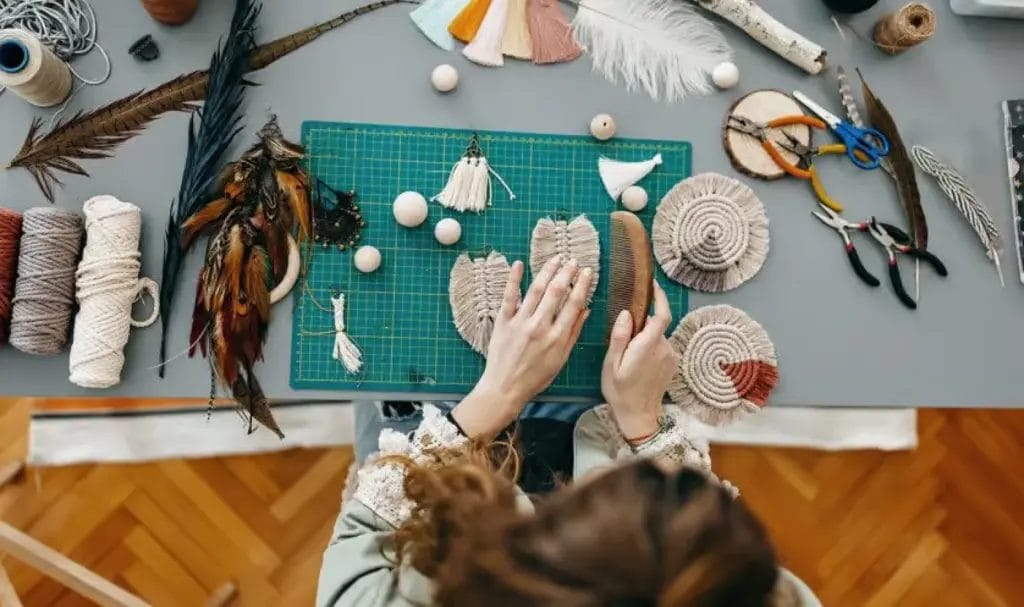
✔️ It’s designed to cover medical bills, legal fees, and other costs tied to that incident. For example, a customer trips over a box at your craft fair booth and breaks their wrist.
Product Liability
Product liability insurance protects you if your product causes harm after it leaves your hands.
✔️ It’s made to cover the cost of claims, lawsuits, or damages tied directly to your product. For example, a candle you made overheats and damages a customer’s countertop.
Which Coverage Is Right For You?
Here’s the easiest way to know which coverage fits your business:
Scenario A: Selling at Craft Fairs or Pop-Ups
You’ll need general liability to meet event requirements. Add product liability if you’re selling goods.
Scenario B: Online Store or Amazon/eBay/Etsy Sellers
Product liability is critical. Platforms may also require general liability as part of their seller agreements.
Scenario C: Importing or Private-labeling Products
You’re treated as the manufacturer, which means the liability is on you. You’ll need product liability with strong limits, and most retailers will also ask for general liability.
If you’re still not sure, start by asking: “Where could something go wrong?” If the answer is at your booth, think general liability. If the answer is after someone takes your product home, think of product liability.
What’s Covered by Each Policy (And What’s Not)
General liability typically covers:
- Third-party injuries at your booth or shop
- Property damage caused by your operations
- Legal fees and settlements
❌ Not Covered: Damage caused by a defective product after it’s sold
Product liability typically covers:
- Injuries caused by your product
- Property damage caused by your product
- Claims tied to product defects, mislabeling, or faulty packaging
❌ Not Covered: Intentional misuse of your product outside of its intended purpose
Pro Tip: Always read your policy exclusions. No coverage protects “everything,” but knowing the gaps helps you plan better.

Costs & Coverage Limits Made Simple
Insurance costs aren’t one-size-fits-all. The cost of product liability insurance depends on:
- Product type: Some products are higher risk than others, like clothes vs vitamins
- Sales volume: More sales can mean more exposure and more coverage needed
- Claims history: Your record matters (more claims = riskier business = higher premiums)
- Venue or retailer requirements: Many set minimums (often $1M) for sellers or vendors
When it comes to limits (the maximum your insurance will pay out for a claim), here’s a simple way to approach it:
- Start with requirements: Most venues, retailers, and platforms require at least $1 million in general liability. That’s your baseline.
- Picture the worst-case scenario: If your product caused a house fire or a serious injury, how high could the costs go? Your limits should be enough to realistically cover that.
- Balance cost with peace of mind: Higher limits do cost more, but often less than people expect. Sometimes doubling your coverage only adds a slight bump to your premium.
It helps to compare insurance costs to what you’re already investing: booth fees, supplies, shipping, or online ads. Insurance is usually just a fraction of those expenses, but unlike the others, it directly protects your business if something goes wrong.
The Bottom Line: Meeting requirements is step one. Protecting your business long-term is step two. Luckily, you can often do both without breaking the bank!
Get Covered in Minutes with Insurance Canopy
Getting insured doesn’t have to be a marathon of paperwork. With Insurance Canopy, you can:
- Apply online in minutes
- Get a free quote with no upfront payment
- Download your Certificate of Insurance (COI) instantly
Talk about relief, confidence, and momentum in one — you can literally check this off your to-do list today!
FAQs About Public and Product Liability Insurance
What Is Public Liability Insurance, and Is It the Same as General Liability in the U.S.?
Public liability insurance is the same as general liability in the U.S., just under a different name.
Both cover third-party injuries and property damage caused by your business operations, such as slips, trips, or accidents at your booth or shop. Small business insurance terminology can get confusing, but just know these two coverages mean the same thing!
Is Product Liability Included in General Liability, or Separate?
Product liability is not fully included in general liability; it’s often limited or excluded.
General liability covers accidents tied to your operations, while product liability covers harm caused by your products after they’ve been sold, so most small businesses need both.
Do Online-Only Sellers, Importers, or Private-Label Brands Need Product Liability Insurance?
Online-only sellers, importers, and private-label brands do need product liability insurance.
In many cases, the law treats you like the manufacturer, which means you’re responsible if your product causes harm.
What Documents Do Venues and Marketplaces Require?
Venues and marketplaces usually require a Certificate of Insurance (COI), and many will also require being added as an additional insured.
These documents prove you have active coverage and extend some of that protection to the venue or platform.
Does Coverage Follow Me to Pop-Ups, Craft Fairs, and Events?
Coverage does follow you to pop-ups, craft fairs, and events.
As long as you’re insured, your protection travels with you, so you’re covered whether you’re at a local farmers market or a national trade show.