
Are you using your vehicle to support a small business or side hustle? If so, you may be signaling to switch lanes from personal to commercial auto insurance.
Many home-based business owners assume their personal auto insurance covers occasional work driving, like traveling to a gig, driving supplies to an event or job site, or visiting clients for services in their home. But once a vehicle helps generate income, the coverage rules can change. That’s where commercial auto insurance comes in.
Before you hit the road, it’s important to understand which policy you need for your vehicle.
What’s The Difference Between Personal and Commercial Auto Insurance?
Commercial auto insurance vs personal comes down to how the vehicle is being used.
- Personal auto is made for everyday driving, like commuting, errands, and family trips
- Commercial auto is designed for driving that supports business activities, like traveling to job sites, transporting tools, or making deliveries
| Personal Auto Insurance | Commercial Auto Insurance |
|---|---|
|
Covers everyday driving |
Covers business-related driving |
|
Designed for individuals and families |
Designed for businesses and self-employed professionals |
|
Lower liability limits |
Higher liability limits for business risk |
|
Often excludes business use |
Built to cover business use |
|
Covers listed household drivers |
Can cover employees and business drivers |
The biggest mistake small business owners make is assuming their personal car insurance automatically covers business activity, like driving to a job site or for part-time delivery work. Oftentimes, it doesn’t.

When Do You Need Commercial Auto Insurance?
You may need commercial auto insurance if:
- You regularly drive to job locations or client meetings
- You transport tools, supplies, or equipment
- You deliver products to customers
- Your vehicle displays your business branding
- A contract requires a Certificate of Insurance (COI)
- Employees drive your vehicle (or designated work vehicles)
The name can make it sound like only big, commercial businesses with trucks, vans, or vehicle fleets need it, but it’s actually made for you, too.
Who Typically Needs a Commercial Auto Policy?
Commercial auto policies are common for small businesses that regularly travel to customers or job sites. This can often look like:
- Photographers
- DJs or event entertainers
- Vendors
- Mobile pet groomers
- Contractors
- House cleaners
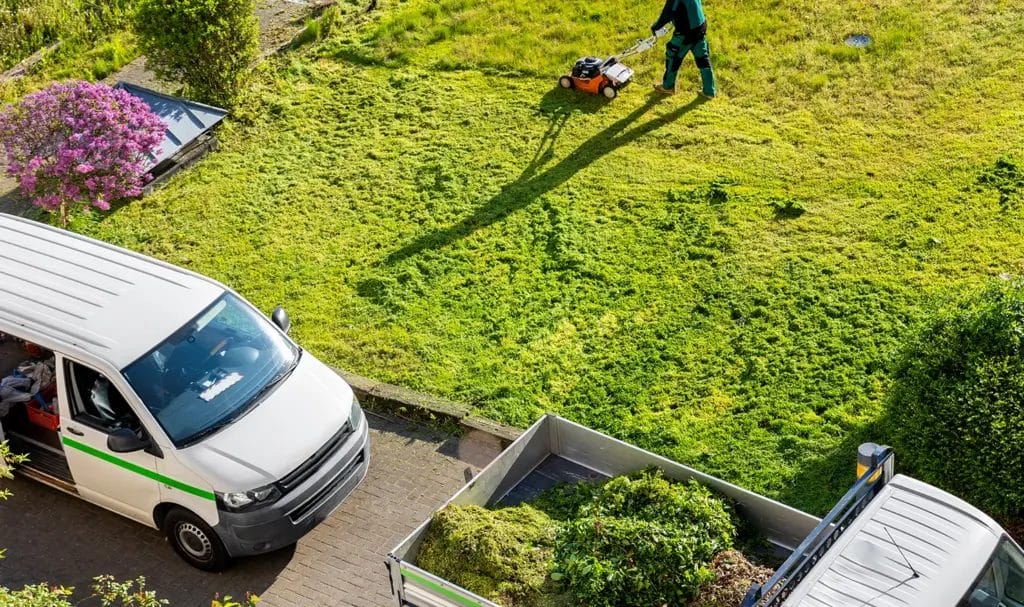
- Lawn care businesses
- Food trucks or caterers
- Local delivery drivers
Even part-time or side-hustle businesses may require commercial coverage if the vehicle plays a regular role in the business.
Does Commercial Auto Insurance Cover Personal Use?
In many cases, commercial auto insurance can cover personal use. A vehicle insured under a commercial policy can still be used for normal daily driving, depending on the policy terms and listed drivers.
We get that a lot of small businesses start as part-time work or side hustles, and a work vehicle can often double as the family car. Commercial auto policies may still allow:
- Family errands
- School pickups
- Grocery runs
- Other normal household use
- Other household members to drive work vehicles
Exact details depend on the policy and listed drivers.
Hired & Non-Owned Auto (HNOA): When You Don’t Own the Vehicle
Not every business vehicle is owned by the business. You may need Hired and Non-Owned Auto (HNOA) coverage if:
- An employee uses their personal vehicle for work errands
- You rent a truck for a short-term project
- You borrow a vehicle for business use
HNOA helps protect your business from liability if an accident happens while using a vehicle you don’t use for your business. It’s offered as an optional add-on to many small business insurance policies.

Commercial Car Insurance vs Personal: Which Policy Do I Need?
It can be hard to understand if you need commercial auto, personal auto, or both. That’s because many small business owners feel they fall into a gray area when using a car for both personal and professional reasons. It’s not always as cut-and-dry as buying a separate vehicle specifically for work.
It ultimately comes down to:
- How often you drive for work
- What the vehicle is used for
- If the vehicle supports business income
| Example Scenario | Best Type of Coverage |
|---|---|
|
You commute to a single workplace in your personal car |
Personal Auto |
|
The vehicle is your family car, but you use it as needed to drive to different job locations |
Commercial Auto |
|
You work from home and use your vehicle to make local deliveries in your free time |
Commercial Auto |
|
You occasionally drive to work events, transporting supplies in your vehicle |
Commercial Auto |
|
You drive to different clients’ homes daily, and also use the vehicle for family needs |
Commercial Auto |
|
You share the vehicle you use for work with your spouse or kids |
Commercial Auto |
|
You often borrow a vehicle from a family member to use for your business |
Hired & Non-Owned Auto (HNOA) |
|
Your employees regularly drive their own cars for work purposes |
Hired & Non-Owned Auto (HNOA) |
|
You occasionally rent vehicles to complete work-related tasks |
Hired & Non-Owned Auto (HNOA) |
What Types of Claims Does Commercial & Personal Auto Cover?
Many businesses start small (often from home), and use the same vehicle for everything. If a car is being driven for work, and your personal auto insurance excludes that, you risk any accident claims being denied.
| Covered by Personal Auto | Covered by Commercial Auto |
|---|---|
|
Commuting to a single workplace |
Delivering goods or food for pay |
|
Running personal errands |
Driving between multiple job sites |
|
Driving for everyday household use |
Transporting tools, materials, or inventory |
|
Occasional non-business travel |
Employees operating a company vehicle |
|
Family driving the car |
Business vehicles are used to reach customers |
What Happens If You Choose the Wrong Policy?
Choosing the wrong policy can lead to:
- Claim denials
- Out-of-pocket expenses for injuries and damages
- Lawsuits and legal fees
- Lost contracts
- State fines or fees
- Damage to your business reputation
Insurance rules vary by policy and state, but confirming the right coverage now can help prevent major financial surprises later. It’s the best way to protect yourself, your business, your vehicle, and others.
When in doubt, talk with an agent about your driving activity to find a policy that fits your needs. If you’re still comparing options, reviewing the best small business insurance providers compared can help you understand how coverage and pricing vary between insurance companies.

Why Choose Insurance Canopy for Your Small Business Vehicle Insurance?
Insurance Canopy helps small business owners quickly find the right vehicle insurance without the confusion.
✅ Quick, custom quotes within 24 hours
✅ Backed by trusted partners, like Progressive
✅ Coverage designed for small businesses
✅ Support from licensed, U.S.-based insurance agents
Apply online today for your free, custom quote and get matched with the right policy for you. It’s our business to protect yours, wherever the roads take you next!

FAQs About Commercial vs Personal Car Insurance
Do I Need Both Personal and Commercial Auto Insurance?
You may need both personal and commercial auto insurance, depending on the number of vehicles you own and how they are used. For example:
- A truck used for a lawn care business may require commercial coverage
- A family car used occasionally for work errands may remain on a personal policy
- A business van and a separate family car may require both policies
An insurance agent can help review how each vehicle is used to determine the kind of coverage you need.
Can My Personal Auto Insurance Cover Business Use?
No, in most cases, you cannot use your personal auto insurance to cover business use. Activities like deliveries, transporting equipment, or employees driving the vehicle are usually excluded.
Some policies allow occasional client meetings, but frequent job-site travel or service work often requires commercial coverage.
Are My Tools and Materials Covered Inside the Vehicle?
No, commercial auto policies do not cover tools and materials inside the vehicle. Business equipment may require inland marine coverage or another type of business property insurance.
Is a Pickup Considered a Commercial Vehicle?
No, a pickup truck is not automatically considered a commercial vehicle. The classification depends on how the vehicle is used, not the type of vehicle.
What About Rideshare or App-Based Delivery?
Rideshare or app-based delivery often requires commercial auto coverage. Drivers for services like Uber, DoorDash, Instacart, or Amazon deliveries usually need specialized or commercial coverage. Most personal auto policies exclude these activities.

Kyle Jude | Program Manager
Kyle Jude is a Program Manager at Insurance Canopy, where he helps design and maintain liability coverage for small business owners. With 10+ years of experience in the insurance industry, he works closely with carriers, underwriters, and compliance teams to ensure coverage remains accurate, responsive, and aligned with real-world risks.
Kyle Jude is a Program Manager at Insurance Canopy, where he helps design and maintain liability coverage for small business owners. With 10+ years of experience in the insurance industry, he works closely with carriers, underwriters, and compliance teams to ensure coverage remains accurate, responsive, and aligned with real-world risks.