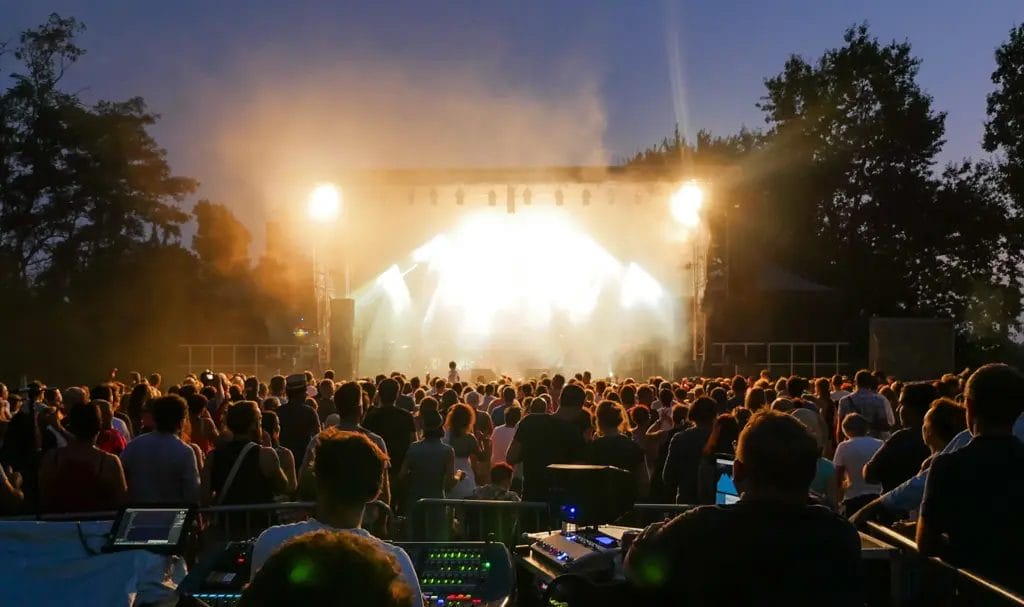
Event risks are the things that can derail your event. Think: weather, vendors, crowds, equipment, or last-minute surprises. Event risk management involves how you plan for those moments, so one issue doesn’t turn into a full-blown problem.
And let’s be real, something will go a little off plan. But that just means you need a Plan B (and ideally, a Plan C), and event insurance to have your back when the unexpected happens.
TL;DR: The 10 Event Risks to Plan For
If you only have a few minutes, these are the top ones to think about:
- Weather issues: Have a backup space or delay plan
- Vendor no-shows: Keep a short backup vendor list
- Power or Wi-Fi failure: Have offline backups ready
- Crowd flow problems: Adjust entry points and staffing
- Injury or medical issue: Know your emergency plan
- Property damage: Document and isolate quickly
- Alcohol-related incidents: Have clear cut-off rules
- Food safety or allergens: Label and confirm with vendors
- Permits or noise complaints: Keep documentation on-site
- Lost items or missing guests: Set a clear meeting point
How to Build a Simple Event Risk Management Plan
Events run smoothly because someone thought through a few key “what if” scenarios ahead of time, and had a plan for how to respond:
- What can we do to reduce the chances?
- What will we do if something still happens?
- How will we communicate in the moment?
It takes more than just one backup plan, though. Effective risk planning often involves a Plan A, a Plan B, and a Plan C.
| Plan | Purpose | Examples |
|---|---|---|
|
Plan A |
Reduce the chances of issues |
– Confirm vendors |
|
Plan B |
What you’ll do if something happens |
– Backup vendors |
|
Plan C |
What you’ll communicate |
– Notify staff |
Most of the time, you’ll never need to go beyond Plan A. But having Plan B and Plan C prepared and ready to deploy makes everything easier to manage if something does come up.
If a situation goes beyond what you can control, that’s where having event insurance can help support the outcome. It doesn’t replace the plan, but backs it up.
Event Risks Examples: What Actually Goes Wrong (& What To Do)
These are the issues event organizers run into again and again, along with what to watch for and how to handle them if they happen.
| Incident Type | Preventative Actions | If it Happens | What to Document |
|---|---|---|---|
|
Weather and Outdoor Conditions |
– Backup space, tenting, or layout flexibility |
– Adjust timing, layout, or location |
– Timeline of weather |
|
Vendor No-Shows or Late Arrivals |
– Confirm details 48–72 hours before |
– Contact backup vendors |
– Contracts and agreements |
|
Power, AV, or Wi-Fi Issues |
– Test equipment ahead of time |
– Switch to backup power or simplified setup |
– Equipment setup |
|
Crowd Flow and Capacity Issues |
– Clear signage |
– Pause entry if needed |
– Crowd estimates |
|
Injury or Medical Incidents |
– Basic first aid setup |
– Address immediate safety needs |
– Incident details |
|
Property Damage |
– Clear vendor responsibilities |
– Isolate the area |
– Photos |
|
Alcohol-Related Incidents |
– ID checks or wristbands |
– Cut off service |
– Incident details |
|
Food Safety and Allergens |
– Clear labeling |
– Address the situation immediately |
– Food source |
|
Permits, Noise Complaints, or Neighbor Issues |
– Have permits on-site |
– Adjust volume or activity |
– Permits |
|
Lost Items or Missing Guests |
– A designated meeting point |
– Use a central check-in point |
– Description of the situation |
An Easy Event Safety Management Plan You Can Actually Use
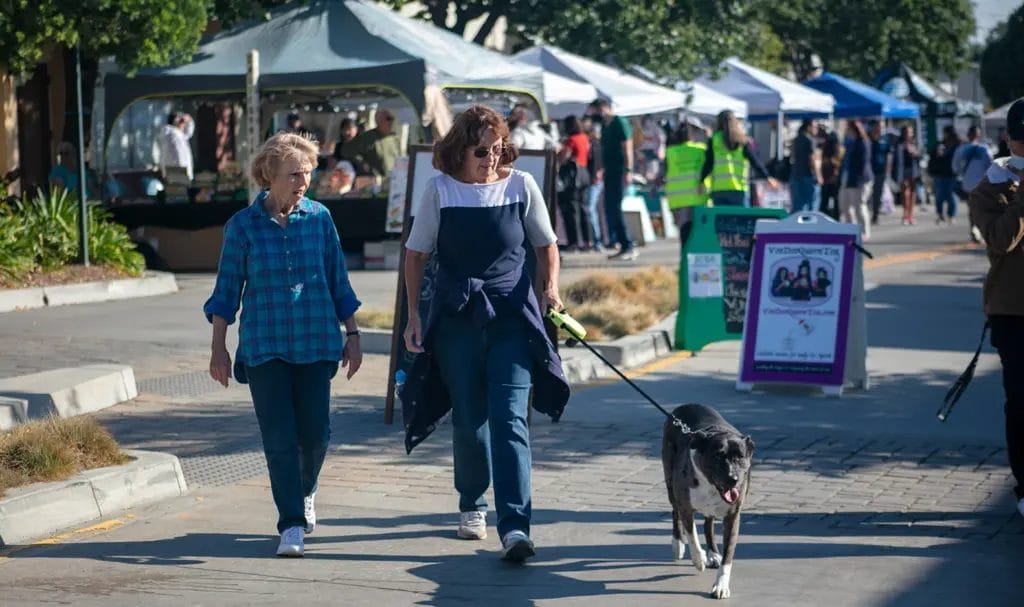
A clear plan with simple, thorough instructions helps people know how to respond in an emergency situation. At a minimum, your plan should include:
- Event details (date, time, location, capacity)
- Key contacts (who makes decisions)
- Medical plan (911 and nearest hospital)
- Emergency procedures (evacuation or shelter)
- Crowd control (entries, exits, flow)
- Vendor schedule (arrival times)
- Communication plan (staff and attendees)
- Incident documentation (photos, notes, police report)
If you have these pieces in place, you’re in a much better position if something happens.
Where Insurance Fits (Without Overcomplicating It)
At some point, your venue may ask for proof of coverage. That usually means:
- A COI (Certificate of Insurance)
- The venue listed as an additional insured
Beyond that, coverage typically falls into two categories:
| Scenario | How to Cover It |
|---|---|
|
Injury or property damage |
General Liability coverage |
|
Event disruption or cancellation |
Cancellation or contingency coverage |
|
Venue requirements |
COI and additional insured |
Insurance isn’t your Plan A. It’s what helps when something goes wrong, even after you’ve planned for it.
If you regularly plan events, having your own event planner coverage in place can make the process much simpler.
A Quick Day-Of Game Plan
If you’re short on time, these event risk tips matter most.
The day before (10 minutes):
- Confirm vendors
- Check weather
- Review your plan
One hour before:
- Walk the space
- Check setup
- Confirm staff roles
If something happens:
- Pause and assess
- Handle immediate safety concerns
- Adjust the plan
- Communicate clearly
- Document what happened
Need A COI For Your Event? Get a Quote and Coverage, Fast.
If your venue is asking for proof of coverage, it’s one of those things that’s much easier to take care of now than scramble through later.
With Insurance Canopy, you can get a free event insurance quote and have your COI ready when you need it!
Planning an event for someone? Make sure everyone has the right coverage! Event host insurance covers the host, while vendor insurance covers many outside hired services.

FAQs About Event Risk Management
What Are the Biggest Event Risks?
The biggest event risks include:
- Weather issues
- Vendor no-shows
- Equipment failure
- Crowd flow problems
- Medical incidents
What Is Event Risk Management?
Event risk management is planning for what could go wrong and developing a plan for how you’ll respond, so your event can continue smoothly.
What Should Be In an Event Safety Management Plan?
An event safety management plan should include:
- Event details
- Key contacts
- Emergency procedures
- Medical planning
- Crowd control
- A method to document incidents
Do I Need Event Insurance for a Small Event?
Yes, you’ll likely need event insurance for a small event. Even small events can involve liability risks, such as property damage or accidental injuries.
For example, if a wedding guest trips over equipment and gets hurt, or a vendor at a small fundraising event accidentally damages the venue, you could be held responsible for medical bills or repair costs.
What Is a COI and an Additional Insured?
A COI and additional insured are common requests from a venue, city, property manager, or building owner requiring you to have event insurance.
- A COI is proof of insurance
- An additional insured means your venue is added to your policy for added protection in case the venue is named in a claim
