Learn DJ skills, get reliable gear, set up contracts and insurance, price smart, and market well to grow a thriving wedding DJ business.
You know how to move a crowd. Now let’s turn that talent into a wedding DJ career that comes with better rates, smoother nights, and more referrals.
From picking the right gear to building your brand and earning customer testimonials, this guide shows you how to turn your passion into a thriving wedding DJ business. Bonus? We created a handy checklist to help guide you every step of the way.
Step 1: Develop Your DJ Skills
You have a few options when it comes to learning your craft.
Some up-and-coming DJs prefer to learn by doing. Gain experience by volunteering to DJ at parties and small events for friends and family — they get a free DJ for the night, and you get some real-world experience: win-win! As you develop your skills and confidence, branch out into paid gigs.
If you already have connections in the DJ world, you may be able to work with a mentor and get on-the-job training. This hands-on experience is an effective way to learn the ins and outs of DJing while gaining a foothold in the industry.
Prefer a more traditional approach? Enroll in virtual or in-person sound engineering classes or schools like the Scratch DJ Academy. This curriculum teaches the fundamentals — mixing, timing, and playlist management for live crowds.
Key Skills for a Successful Wedding DJ
- Beatmatching and smooth song transitions
- Reading the room and adjusting the vibe
- Confident MCing and clear announcements
- Timeline and playlist planning for each event
- Audio tech skills and quick troubleshooting
- Professional communication with couples and vendors
- Organization for contracts, payments, and requests
- Reliability: early arrival, backups, and contingency plans
Advice from a real DJ: My first wedding gig was for a friend of my sister’s. I didn’t know how to MC or what events they wanted done. But I asked lots of questions and prepared a wedding planning form. After the wedding, parents and relatives came up to me asking if I did other weddings. I shared my Instagram profile and number and started getting gigs from there.
Step 2: Buy Quality DJ Gear Without Breaking the Bank
It’s no secret that DJ gear comes with a hefty price tag. When building your kit, choose items that suit your sound without going over budget. Save on start-up costs by shopping deals on sites like The DJ Hookup, and keep an eye on Facebook Marketplace and eBay for high-quality, pre-owned equipment.
While it may be tempting, don’t just go for the cheapest option. Instead, look for a balance of quality and affordability — the last thing you need is your mixer giving out halfway through a gig.
Advice from a real DJ: If you splurge on anything, make it the speakers. Hide cables, use lighting wisely, and always carry gaffer tape. Great sound and a clean setup make you look as professional as you sound.
— DJ Jon Jon
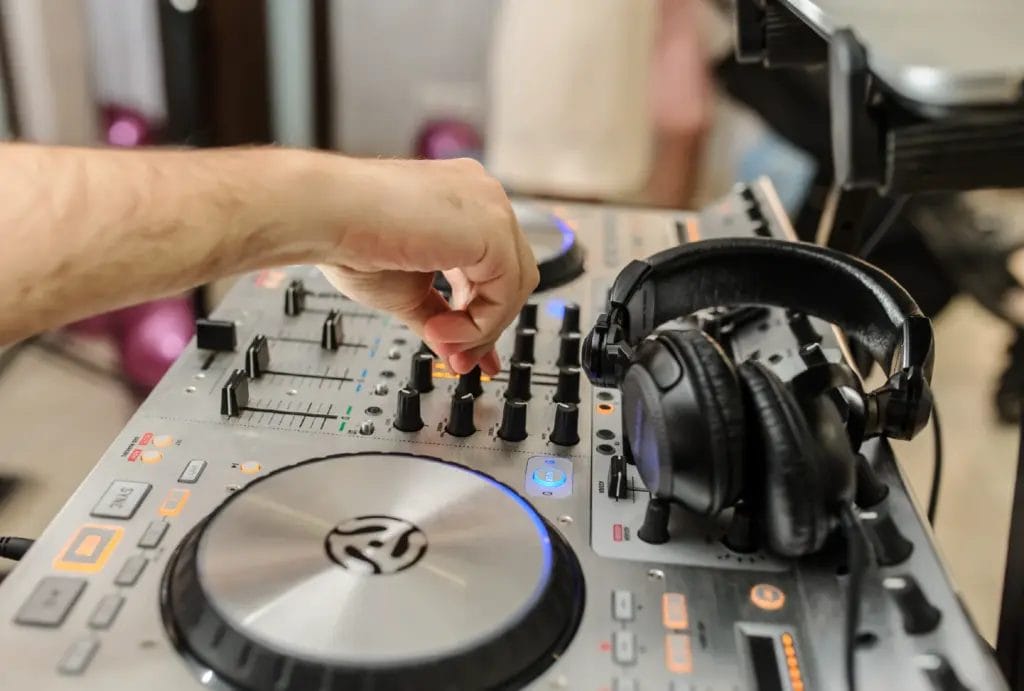
Not sure what you need to get started? Here’s a breakdown of equipment essentials every wedding DJ needs:
Swipe →
| Equipment | What it does | Why it matters for wedding DJs |
|---|---|---|
|
Speakers |
Make music and speeches easy to hear across the room |
Clear vows and toasts, happy guests, fewer complaints that guests can’t hear |
|
Mixer / DJ controller |
Lets the DJ switch between songs and microphones, set volumes, and mute quickly |
Smooth flow with fewer awkward pauses and fast fixes if something gets too loud or too quiet |
|
Microphones (wireless handheld, optional lapel, plus a backup) |
Pick up the officiant, couple, and toasts |
Guests hear the important moments; a backup prevents dead air if batteries or signals act up |
|
Lighting (uplights and dance-floor effects) |
Sets the mood and highlights key areas |
Looks great in photos, encourages dancing, and allows you to offer add-on packages without extra complexity |
|
Decor and presentation (facade, stands, cable management, simple signage) |
Hides cables, keeps gear tidy, and guides foot traffic
|
A clean, event-ready look that venues appreciate, with fewer trip hazards and faster setup/teardown |
Want to make sure you choose the right speakers for your gigs? Check out our guide to the best DJ speakers.
Pro tip: Wedding DJ equipment insurance covers your gear if it’s damaged or stolen, so you can tackle your wedding season schedule without worry.
Step 3: Set Up Your DJ Business
Now that you’ve laid the foundation for your wedding DJ business, it’s time to take care of the administrative side with DJ liability insurance, contracts, licenses, and registration.
Liability Insurance
Wondering if wedding DJ insurance is worth it? Short answer: absolutely! It shows clients you take your business more seriously than your non-insured competitors.
Most venues require insurance because they want to work with professionals who come prepared. If someone gets hurt or you accidentally cause damage to the venue during setup, performance, or teardown, your policy helps cover the resulting expenses.
Check out some of the biggest wedding DJ fails and how to avoid them so you can ensure all your gigs spin the right tracks.
DJ Contract
A DJ services contract sets expectations for you and your clients. It should include:
- Payment terms
- Performance expectations
- Event details
- Equipment and setup
- Cancellation policies
- Liability and insurance
Here is a quick breakdown of typical policies and payment terms used across the DJ industry to help you craft a contract that suits your business needs.
| Policy/lever | Industry-normal setting |
|---|---|
|
Retainer to book |
25–50% nonrefundable |
|
Final payment due |
7–14 days pre-event |
|
Travel fees |
First 30–50 miles included; then $1–$2/mi or flat $100–$300 |
|
Peak or holiday premium |
+10–25% |
|
Rush booking (<30 days) |
+10–15%
|
|
Off-peak discount (weekdays or winter) |
−10–20% |
|
Over time after midnight |
1.25–1.5× hourly |
|
Minimum hours |
4-hour minimum |
|
Payment methods |
Card or ACH accepted; 3% card fee or price baked in |
|
Sales tax |
Charge where applicable |
|
Reschedule fee |
$100–300 (waived if vendor-caused) |
We don’t offer legal advice, but we do have a DJ services contract guide with tips from real entertainment lawyers, plus a free downloadable checklist for your business.
Performing Rights Organization (PRO) License
A DJ license (aka, a PRO license) is a document from organizations like ASCAP, SESAC, or BMI that permits you to play specific copyrighted songs in public. This ensures artists, record labels, and songwriters receive their earned royalties. Most venue, club, and restaurant owners have a PRO license, so you typically don’t have to worry about this.
However, if you play a gig in a warehouse or private hall, you’ll need to buy your own PRO license.
Business Registration
Most small business owners need a business license or permit from the local city or state government to operate legally. Completing an application and paying registration fees ensures you’re following tax, profit, and operational rules.
Requirements vary by location, so check with your local government’s website or office for business license requirements.
Step 4: Set Rates to Drive Profits for Your Wedding DJ Business
Pricing doesn’t have to be complicated.
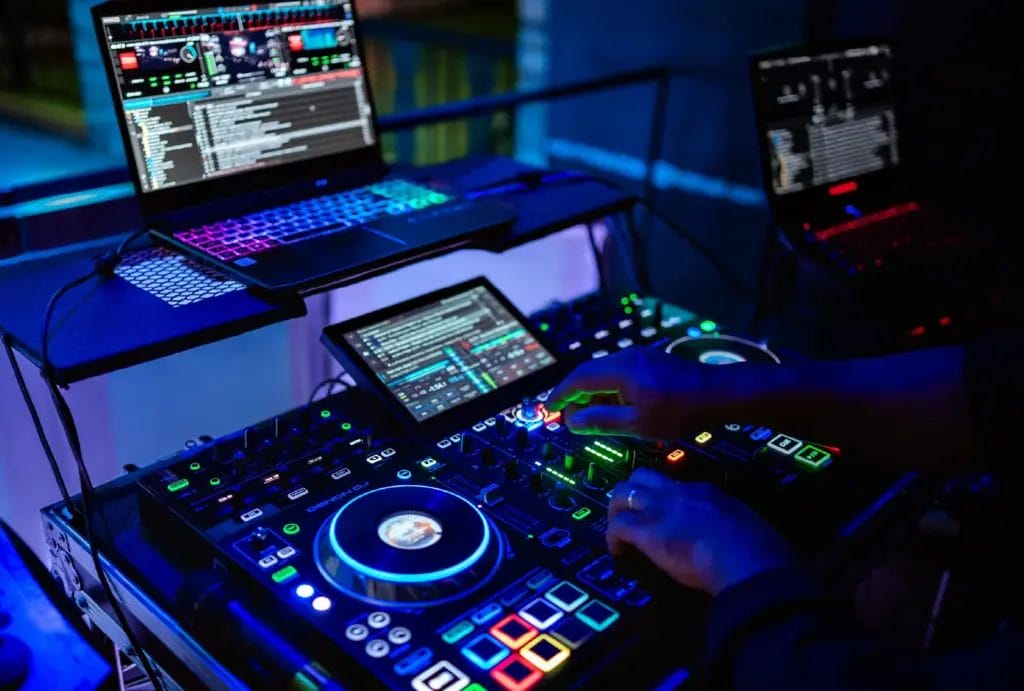
Here’s a breakdown of pricing for the most common DJ services and add-ons. Use this data as a starting point when pricing your packages and make sure you account for every part of the gig from start to finish.
Swipe →
| Item | What it includes | Typical price (USD) |
|---|---|---|
|
Reception DJ/MC (base, 4–5 hrs) |
Pro sound, wireless mic, timeline/announcements, cocktail + reception |
$1,200–2,500+ |
|
Ceremony audio add-on (30–60 min) |
Separate speaker, lapel/handheld mic, processional tracks |
+$200–400 |
|
Second setup/location |
Extra PA for cocktail space or outdoor ceremony |
+$150–350 |
|
Extra hour |
Continuous coverage beyond base |
+$150–300/hr |
|
Uplighting package (8–12) |
Wireless LEDs, color programming |
+$150–400 |
|
Dance-floor lighting |
Moving effects, wash, controlled cues |
+$100–300 |
|
Sub/extra speaker(s) |
Low-end support, coverage for 150+ guests |
+$50–150 each |
|
Custom edits/mixes |
First-dance/parent-dance cuts |
+$50–150 |
Bonus Tips for a Successful Wedding DJ Business
Also, consider these tips as you finalize your wedding DJ menu and services:
- Research the market: Compare what other wedding DJs are charging in your area, including factors like experience, additional equipment, and MCing services
- Charge for your time: Include setup, teardown, and MCing in your total hours because a four-hour reception can easily turn into eight hours of time
- Created tiered packages: Use clear tiers — basic, premium, and premium plus — to help clients quickly compare what’s included
- Offer add-ons: Fun touches like fog machines or dance floor lighting packages can boost revenue
- Adjust for peak and off-season: Charge a premium for peak season (spring, summer, and weekends) and offer off-season discounts to keep your calendars full all year long
- Know your value: Don’t underprice or cut your rates from fear or client hesitations
Advice from a real DJ: Weddings and events I did from the $300-$400 range, I enjoyed the least. Things were less organized. When I started charging premium rates, $700-$1,300, it felt like there was more value from the wedding party. If you charge premium rates, you have to be prepared to provide premium services.
— DJ Jon Jon
Hidden Costs & Feed of Starting a Wedding DJ Business
These fees aren’t dealbreakers — they’re part of turning your dream into a profession.
- Equipment maintenance: Cables, speakers, and other gear wear down from use
- Backup gear: Pros carry spare controllers, mics, laptops, and speakers for emergencies
- Travel costs: Fuel, tolls, parking, and vehicle wear and tear add up quickly
- Lodging: Hotels and Airbnbs for out-of-town weddings
- PRO licenses: Your own ASCAP, SESAC, or BMI licenses if a venue doesn’t have one
- Website fees: Domain names and website hosting come with monthly or annual fees
- Professional attire: Formal wear, dry cleaning, and backup outfits for wedding gigs
- Advertising: Paid social ads and listing your business on sites like The Knot
- Tax prep: Quarterly tax payments and prep software such as TurboTax or H&R Block
Step 5: Spread the Word About Your Wedding DJ Business
What good are all of your amazing DJ skills if nobody knows who you are? To build a successful wedding DJ business, you need a solid marketing plan.
But don’t worry, you don’t have to have an MBA to put your business on the map, just a few hours a week and smart use of online tools.
Network Consistently
Networking is still one of the most effective ways to book weddings.
- Attend local wedding expos, open houses, and vendor mixers
- Introduce yourself to wedding planners, photographers, and venue coordinators
- Bring business cards or a QR code that links to your website or inquiry form
Couples often ask other vendors for DJ recommendations first, so building those relationships can keep your name at the top of their list.
Collect Customer Reviews
Social proof is everything in the wedding world.
- After every wedding, follow up with the couple and ask for a review
- Share a direct link to your Google Business Profile or preferred review site
- Add the best testimonials to your website, social media, and marketing materials
These reviews show future couples you’re a professional who delivers a high-quality experience, not just someone with a playlist and a laptop.
Build Your Online Presence
Your online presence should make it easy for couples to find you, learn about you, and contact you quickly.
- Create a simple website that highlights your services, pricing, FAQs, and contact information
- Show off your work with short video clips, sample playlists, and behind-the-scenes moments
- Stay active on social media by posting recent events, tips for couples, and quick educational content
- Keep your Google Business Profile up to date with photos, current contact info, and your latest reviews
The goal is to look “bookable” at a glance: clear, professional, and current.
List Your Business in Wedding Directories
Many couples start their vendor search on wedding directories.
- Create profiles on sites like The Knot, Zola, and WeddingWire
- Add your best photos, clear descriptions, and links to your website and social pages
- Keep your pricing ranges realistic and your availability up to date
These platforms already have the traffic. You just need to be visible where couples are actively searching.
Try Creative Promotion Ideas
Once the basics are set, you can use creative, low-cost tactics to stand out and stay memorable:
- Use social media tags: Tag venues, planners, photographers, and florists in your posts to reach their followers and build vendor relationships
- Create QR codes for engagement: Use QR codes at receptions so guests can request songs, follow your socials, or sign up to receive a post-wedding playlist
- Make short-form videos: Capture 15–30 second clips of packed dance floors, first dances, and before-and-after room transformations to post on Reels, TikTok, and YouTube Shorts
- Join wedding forums: Answer questions in places like Reddit wedding communities about timelines, do-not-play lists, MC tips, and sound setups. It builds authority and gets your name in front of engaged couples
- Partner with photographers and planners: Offer to collaborate on styled shoots or content days so you can be featured in their photos and tagged in their posts
- Hand out memorable business cards: Design cards that feature your logo and a QR code that links directly to your inquiry form or highlight reel so guests and parents can easily find you later
These small touches help you stay top of mind long after the last song ends.
If you’re in a band in need of promo ideas, check out our band business card examples guide to turn heads and make new connections.
Advice from a real DJ: Another thing that really helped was putting myself around DJs who were running successful wedding businesses. I played shows with them, offered to take opening hours, etc. — just putting myself in places to build trust with these DJs. I got a lot of gigs when they were overbooked.
— DJ Jon Jon
Discover easy wins to grow your DJ bookings and client list.
Step 6: Deliver a Five-Star Client Experience
Your gear’s set, and your playlist is dialed in. It’s time to create magical moments for your clients. Delivering memorable experiences from your first meeting to the big night ensures that couples, planners, and venues will spread the word and recommend you in the future.
Use these tips to deliver the best customer service possible.
Communicate Openly
Respond quickly to inquiries, listen to your customers’ vision, and send clear timelines and contracts to keep everyone on the same page.
Simplify Your Booking Process
Couples compare dozens of DJs. Make it easy for them to choose you: ensure your website has clear pricing tiers, booking forms, and customer reviews.
Stay Professional
Arrive early and ensure your gear works. Stay calm, friendly, and flexible in the face of any changes. Handle requests gracefully, and keep your attention on the couple.
Dress for the Occasion
Always talk to the couple about how they’d prefer you dress for their event. Every wedding is different, and it’s important to match the vibe:
- Formal: Tailored dark suit or tux, formal jumpsuit or dress; polished dress shoes, low-profile heels, or closed-toe flats
- Semi-formal: Dress pants or chinos, button-down/blouse or neat knit, optional blazer; loafers, dress boots, or clean low-profile sneakers (venue permitting)
- Casual or outdoor: Dark jeans or chinos, breathable top (polo, woven, or knit), weather-ready layer; clean sneakers or boots with good traction
Follow Up
Reach out to couples within a few days after the wedding with a thank-you message (bonus points for a handwritten note) to genuinely express your gratitude for trusting you with hosting their special day. Ask for feedback or a review, and with permission, add it to your website’s testimonial pages.
Read the Room
Adjust your setlist in real time by tempo, genre, and era. Be ready to adapt on the fly. Take song requests seriously and adapt your set to the energy in the room. If the dance floor’s empty, change up your playlist.
Have a Contingency Plan
Things like bad weather, power outages, late speeches, or damaged equipment can spoil any gig. Lay out backup plans beforehand — such as knowing where to relocate crowds, bringing extra gear, having offline music options, and maintaining battery-operated equipment.
Own the Timeline
Coordinate with planners and photographers to ensure smooth timing and seamless dances without dead air. After all, you’re the host. Keep your clients’ special day on track.
Make Every Wedding Gig Your Best Yet
Your next wedding gig deserves great tracks and great prep.
Grab our free downloadable checklist to help you stay on top of everything — from gear and branding to style and pricing — so every wedding is unforgettable and runs as smoothly as possible.
FAQs About How to Start a Wedding DJ Business
How Much Does It Cost to Start a Wedding DJ Business?
The average starting cost for a wedding DJ business is $2,000, depending on your setup and location. Most of these funds go toward equipment, marketing, travel, and wedding DJ insurance — the necessities you need to look and sound professional from day one.
How Much Does a Wedding DJ Make?
Beginner part-time DJs typically earn $50 per hour, and more experienced DJs can make $500 or more per hour. Your income varies by your location, experience, customer reviews, and willingness to travel.
What Equipment Do I Need to Start DJing Weddings?
Your essential wedding DJ gear should include:
- Laptop
- DJ software
- Controller
- Two speakers
- Subwoofer
- Wireless microphone
- Dance floor lighting
- Backup hard drive
How Much Should I Charge as a Beginner Wedding DJ?
Beginner wedding DJs often start with lower rates to build a portfolio, but you should still charge enough to cover your time, travel, gear, and business costs. Research what other local wedding DJs charge and aim for the lower to mid range while you’re getting started.
As you collect reviews, upgrade your equipment, and refine your packages, you can gradually raise your prices.
Do I Need a Contract or Insurance for my Wedding DJ Business?
Yes, you should use a written contract for every wedding to outline the timeline, services, payment schedule, and cancellation policy. Many venues also require DJs to carry liability insurance before they’re allowed to perform on-site. Having both a solid contract and insurance helps protect you, your gear, and your clients if something goes wrong during the event.