
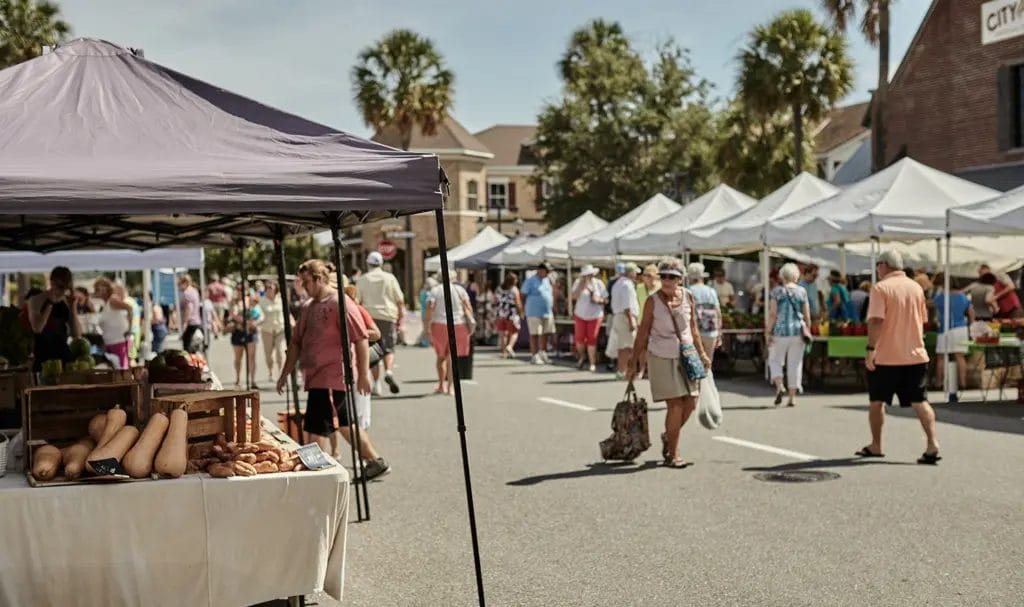
I watched a lively, local market fall silent in seconds after a chain reaction no one saw coming:
No one planned on rain the night before, leaving mud around the vendor stalls…
No one planned on a shopper slipping on the slick grass and falling back into a crowded walkway…
And no one planned on a distracted parent accidentally rolling a stroller over his hand as he fell.
Moments like these remind us that accidents can happen to anyone, anywhere. One of the best ways to stay prepared is by learning from real claim examples shared by small business owners just like you.
Types of Risks in Insurance
Small business insurance only covers pure risks, but your business may face speculative risks as well.
- Pure risk = something bad can happen
- Speculative risk = something good or bad might happen

9 Real-Life Insurance Risk Examples
Running a business is no easy feat. Sometimes, things don’t go as planned. You can do everything right, and something can still go sideways, usually at the worst moment imaginable. That’s why protecting your business with insurance is essential.
Here are nine real risks business owners face that showcase how everyday situations can turn into expensive problems, and what coverage helps you protect your business.
The following examples are for educational purposes only. They contain real claim information and totals, with some details modified for privacy.
1. Physical and Premises Risks
These are accidents that happen on your property or during day-to-day business operations. They’re some of the most common risks small businesses face.
Real Claims:
- A massage client tripped while entering a mobile massage bus and suffered facial injuries: $25,000
- A customer fell into a small hole on the premises and fractured her ankle: $5,000
- A stool provided by the business scratched a homeowner’s hardwood floors: $910
- A fire allegedly caused by an insured’s operations damaged a rented structure: $106,806
Best Coverage: General Liability Insurance
- General liability is designed to cover injuries or property damage you cause during your operations. It can prevent a simple slip or a minor hazard from escalating into major medical or repair bills.
Not Covered:
- Intentional damage
- Hazards you already knew about but didn’t fix
- Normal wear and tear
2. Professional Service Risks
These happen while you’re performing a service or giving professional advice. They often involve mistakes, oversights, or accidents that occur during hands-on work with clients or while delivering expertise.
Real Claims:
- A spa client experienced a chemical burn from a product used during service: $35,000
- A gym participant alleged injuries during a training session: $45,000
- A cooking instructor clamped a pasta roller onto a glass tabletop, cracking it: $817
Best Coverage: Professional Liability Insurance
- Professional liability (E&O) is designed to help cover physical and financial damage caused by your professional negligence. Small missteps can become expensive when they affect a client’s body or their property.
Not Covered:
- Refunds
- Poor business decisions
- Client dissatisfaction without actual damages

3. Product and Completed Operations Risks
This covers things you make or sell that cause injuries or damages, even after they leave your hands. These risks often stem from product defects, design issues, improper instructions, or even the way a customer uses the product once it’s out of your control.
Real Claims:
- Customer alleged food poisoning after eating a business’s food product: $20,934
- A 3-wick candle allegedly “exploded,” damaging the customer’s table: $8,283
Best Coverage: Product Liability Insurance
- Product liability (also known as products-completed operations) protects your business from product-related claims. You can still be held liable for products you sell, but didn’t make, so having product coverage is crucial.
Not Covered:
- Product recalls
- Known product defects
- Loss in value due to production delays
4. Cyber and Data Risks
Cyber incidents hit small businesses more often than you’d think. Something as simple as accepting digital transactions can make you a target for an attack, because cybercriminals often see small businesses as having limited security resources.
Real Claims:
- A consultant’s email was hacked, leading to forensic investigations and data recovery: $125,000
Best Coverage: Cyber Liability Insurance
- Cyber liability is designed to help you and your customers recover from a cybercrime. While it doesn’t prevent an attack from happening, it could help you with ransomware, stolen funds, data breaches, and alerting your customers.
Not Covered:
- Future lost profits
- Weak or reused passwords

5. Reputation and Advertising Injury Risks
Your website, social media posts, and promotional materials can unintentionally create risk. Misunderstandings or content that unintentionally harms someone’s reputation can quickly lead to claims.
Real Claims:
- A business was accused by an attorney of having a website that wasn’t compliant with the Americans with Disability Act (ADA): $14,992
- A business reported being slandered online by an individual: $10,000
Best Coverage: Personal and Advertising Injury
- The personal and advertising injury portion of your general liability coverage is intended to help with claims like reputational damage, slander, or libel.
Not Covered:
- False claims you knew were misleading
- Trademark or copyright infringement
6. Contract and Event Requirement Risks
Sometimes you’re required to carry insurance by venues or events. It helps cover you for injuries or damages you may cause while working at a market, festival, or pop-up event.
Real Claims:
- While breaking down a tent, a pole slipped and scratched a parked vehicle: $1,023
- A bulb used by a vendor allegedly burned a hole in an event-provided tent: $899
- A misting fan damaged a neighboring vendor’s artwork: $900
Best Coverage: Vendor and Event Liability Insurance
- Short-term liability insurance is intended to cover accidents that happen when attending or hosting events.
Not Covered:
- Damage to your own gear or equipment
- Product-related claims
- Liquor liability (separate host liquor liability required)
Organizing an event? Discover our event insurance coverage options.
7. Employee Risks
If you have employees (even just one), there’s always a chance of a work-related incident. Injuries can happen during physical tasks, while driving for work, or even from repetitive motions or strains over time.
Real Claims:
- An employee allegedly caused a severe motor-vehicle accident while driving a rented vehicle: $275,000
Best Coverage: Workers Compensation Insurance
- Workers comp can cover injuries employees sustain on the job. Most states require you to get it once you hire an employee (outside of yourself).
Not Covered:
- Injuries that occur outside of work
- Independent contractors
8. Work Vehicle Risks
Your personal auto insurance typically excludes coverage when you use a vehicle for business, like making deliveries or picking up supplies. On-the-job driving exposes you to risks like collisions or property damage involving trailers or equipment you’re hauling.
Real Claims:
- A food truck towing a trailer struck and damaged a building’s gutters: $5,438
Best Coverage: Commercial Auto Insurance
- Commercial auto helps cover claims related to accidents caused by vehicles used for work purposes.
Not Covered:
- Employee vehicles used for business (requires Hired/Non-Owned Auto coverage)
- Unauthorized drivers
- Claims falling under personal auto versus commercial auto insurance

9. Tools and Equipment Risks
Your tools, gear, and equipment keep your business running. Without them, you could say it throws a wrench into your business operations.
Real Claims:
- Rain entered a mobile business trailer and ruined the surround-sound system: $204
Best Coverage: Inland Marine Insurance
- Inland marine can cover the gear and equipment you use to operate your business if it’s stolen or damaged.
Not Covered:
- Normal wear and tear
- Detached trailers (requires Food Trailer Endorsement on a food liability policy)
What Insurance Could Cover These Risks?
The easiest way to manage your risks is to pair them with the right kind of coverage.
| Risk | Coverage |
|---|---|
|
Premise-related injuries or damages |
General Liability |
|
Professional errors or damages |
Professional Liability |
|
Product-related injuries or damages |
Product Liability |
|
Cyber attacks or data breaches |
Cyber Liability |
|
Reputation or advertising harm |
Personal & Advertising Injury |
|
Event-related injuries or damages |
Event Liability |
|
Employee injuries |
Workers’ Comp |
|
Work vehicles |
Commercial Auto |
|
Equipment, tools, or mobile gear |
Inland Marine |
Learn More: Don’t let risks destroy your dreams! Learn how to lasso your liability in our article 4 Steps To Managing The Risks Of Your Small Business.
Real Coverage for Real Risks
Risks are part of doing business. They’re always going to be there, so the goal is to prepare for them to keep them from stopping your momentum forward.
Your next step? Choosing coverage that fits your business and its risks. Get started with a free quote from Insurance Canopy today!

FAQs About Types of Risk in Insurance
What Are the Most Common Small Business Risks?
The most common small business risks are general liability claims, which are injuries and damages caused by your business operations. More often than not, it’s slip, trip, and fall claims or accidental damage claims.
Depending on the type of business you run, you may also face a high risk of your services or products causing an accident.
Which Business Threats Can Insurance Cover (and Which Can’t)?
The business threats insurance can cover are pure risks (aka unexpected accidents). Small business liability insurance is made to cover:
- Injuries
Damages
Medical bills
Lawsuits
It usually does not cover speculative risks (aka predictable risks). These are typically financial risks or intentional issues.
Do Very Small or Home-Based Businesses Still Need Liability Insurance?
Yes, very small or home-based businesses still need liability insurance! If customers interact with you, your products, or your space (even your living room), you carry risks.
Many of the claims in this article involved solo pros or part-time businesses. Accidents can happen to any business, no matter how small!
Does Cyber Insurance Matter for Brick-and-Mortar Businesses?
Yes, cyber insurance matters for brick-and-mortar businesses. If you take digital or tap payments, store customer info, or use online platforms, your business can be targeted.
How Do I Prove Coverage to Venues or Clients?
You can prove coverage to venues or clients with a valid Certificate of Insurance (COI) for your business. This document gives an overview of your coverage and can be sent directly to venues, clients, or event organizers requesting proof of insurance.
Insurance Canopy provides instant COIs after purchase or unlimited downloads of your COI from your online dashboard.
It’s important you only show a COI for an active policy, not one that is expired or cancelled. Doing so can jeopardize contracts, damage your reputation, trigger lawsuits, or lead to uncovered claims.
Coverage availability, definitions, and exclusions vary by policy, carrier, and state. This article provides general information and does not replace policy language.