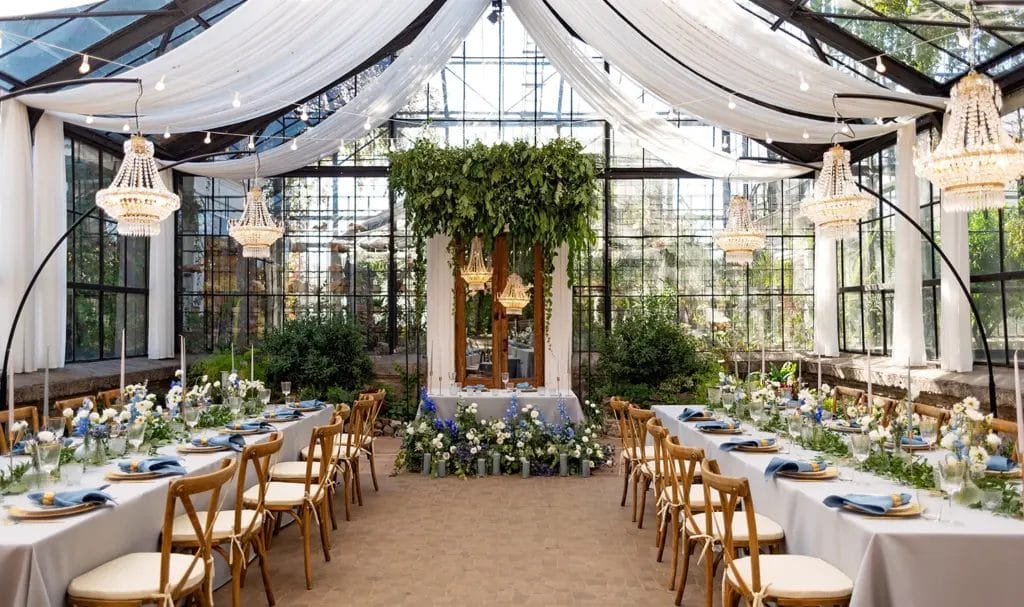
Not every wedding venue requires insurance, but many rentable event spaces require couples to get their own liability coverage.
Your wedding venue just called. They want a Certificate of Insurance with them listed as an additional insured (a what?! with who??). Now you’re spiraling…
Deep breaths, diva. You got this.
Different wedding venues may have different event insurance requirements. As a recent bride myself, I’m here to help you understand what’s required and how to get proof of insurance fast.
TL;DR: What Do Wedding Venues Typically Ask For?
✔️ General Liability Insurance
✔️ $1M per occurrence / $2M aggregate limits (most common request)
✔️ Host Liquor Liability (if alcohol is being served)
✔️ Venue listed as an additional insured
✔️ Certificate of Insurance (COI) showing all of the above
Location matters because city parks, museums, historic buildings, and government properties usually have stricter wedding insurance requirements than private venues, like barns or ballrooms.
My Wedding Venue Requires Insurance… Why?
Your venue requires event insurance because the people responsible for it have a lot of risks to cover — and your risks aren’t one of them. A venue will cover risks related to its own property or staff, but not anything caused by your event, guests, or vendors.
| Examples of Venue Claims | Examples of Event Claims |
|---|---|
|
A venue’s runner rug is causing guests to trip, and one ends up hurt |
A clumsy guest knocks over an expensive vase in the venue, breaking it |
|
A member of the venue’s staff accidentally spills a glass of wine on the bride’s wedding dress |
A groomsman slips on rose petals while walking down the aisle, injuring his knee
|
Just because an accident happens on the venue’s property doesn’t mean the venue is automatically liable. That’s why couples are often asked to carry their own event host liability insurance for their big day.
Did You Know?
Event planners and vendors need their own insurance, too! Event planners insurance covers a planner or day-of coordinator for the professional planning work they do, while vendor insurance covers outside businesses you may hire (like DJs, florists, caterers, photographers, and more).
Learn more: Event Insurance FAQs
Wedding Insurance Coverages by Venue Type
Depending on where you host your wedding, the types of risks you may encounter can vary. A historic museum with priceless artifacts vs. a city-managed beach will have vastly different liability concerns. This can mean different venue insurance requirements for you.
Here’s what we typically see by venue type:
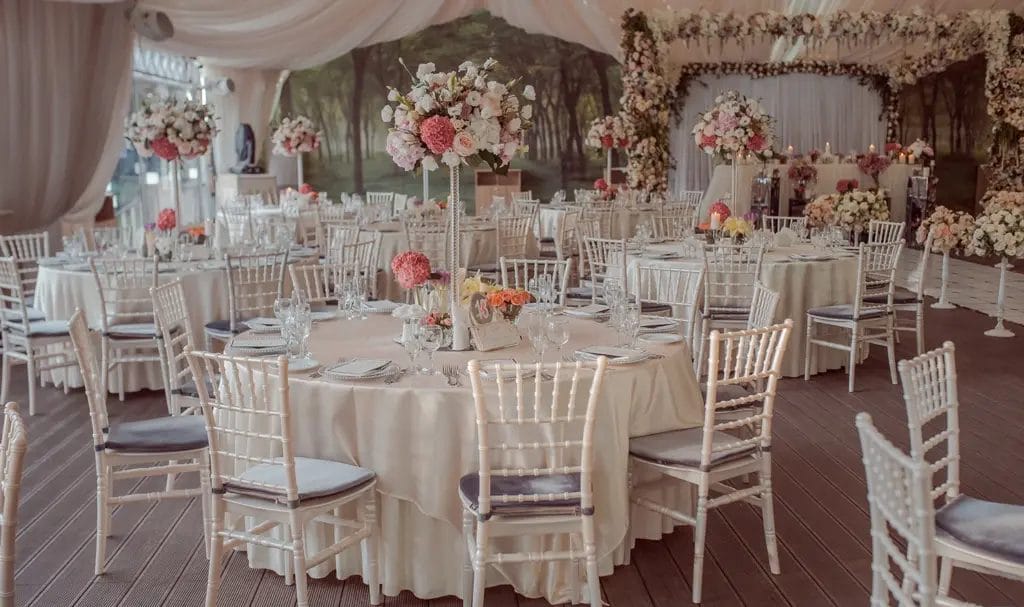
Hotels & Ballrooms
Hotels and traditional ballrooms tend to host high-guest-count events frequently. They almost always request:
- $1M / $2M General Liability limits
- The venue is listed as additional insured (with special wording)
- Primary & Noncontributory endorsement
Hotels are usually the most straightforward. They know exactly what wording they need, and once you provide it, you’re good to go.
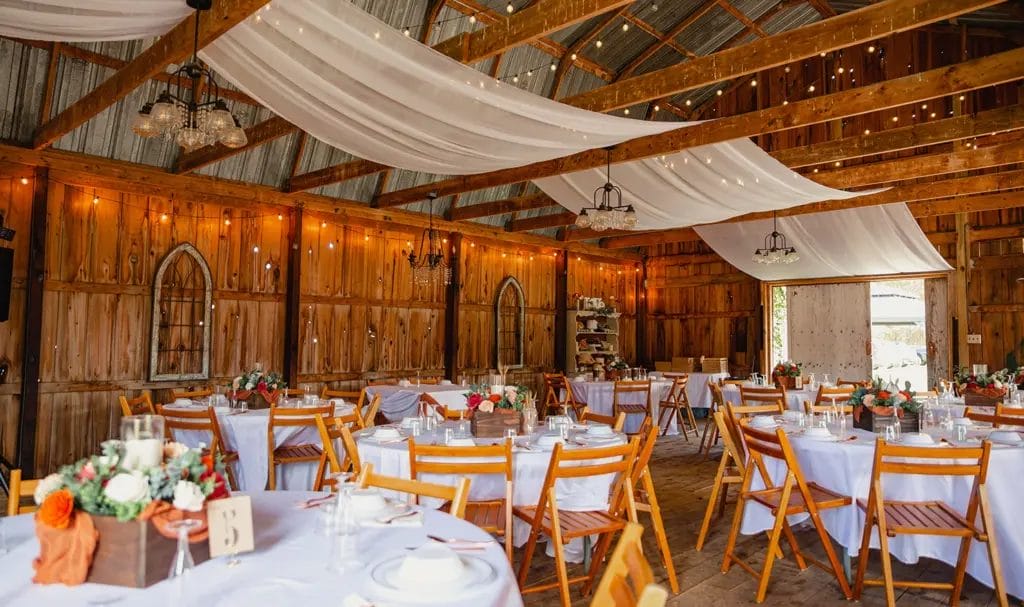
Barns & Farms
Barn venues feel relaxed and romantic… but from a risk perspective, they’re often very specific in their contracts. You may be dealing with:
- Open flames or candles
- Sparklers
- Uneven ground
- Temporary flooring or tents
Because of that, these venues often require:
- Higher Damage to Rented Premises limits
- Limited or regulated alcohol service
- Restrictions on certain decor (like fireworks or open flames)
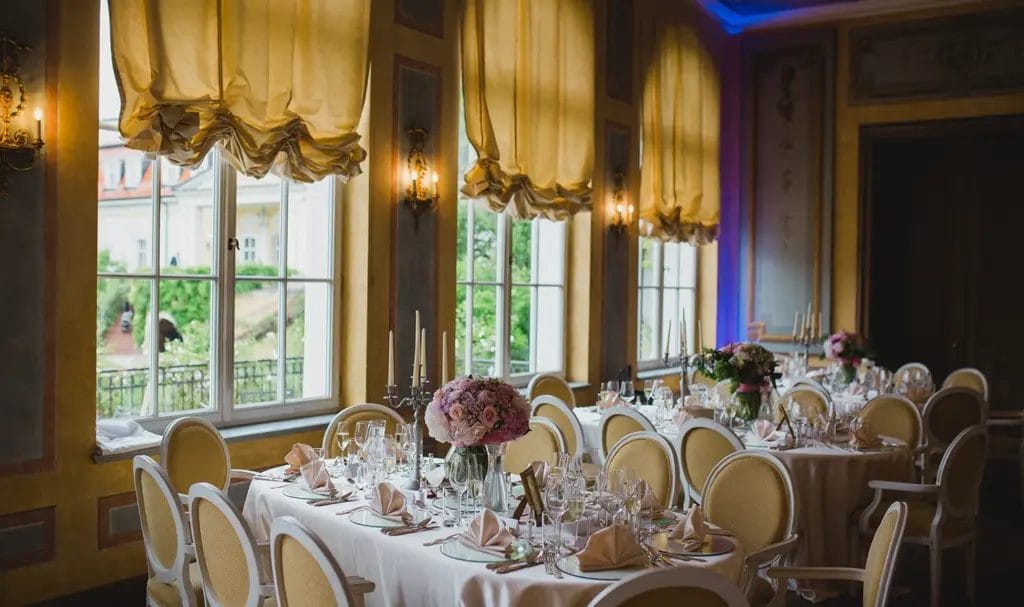
Museums & Libraries
Museums and libraries often contain priceless property and have strict preservation rules, so it’s common to see requirements for:
- Additional Insureds
- Primary and Noncontributory endorsement
- Waiver of Subrogation
- Higher property damage limits
If your wedding is in a historic building, expect more formal insurance language. A licensed agent can help ensure your policy has everything it needs to get a quick approval!
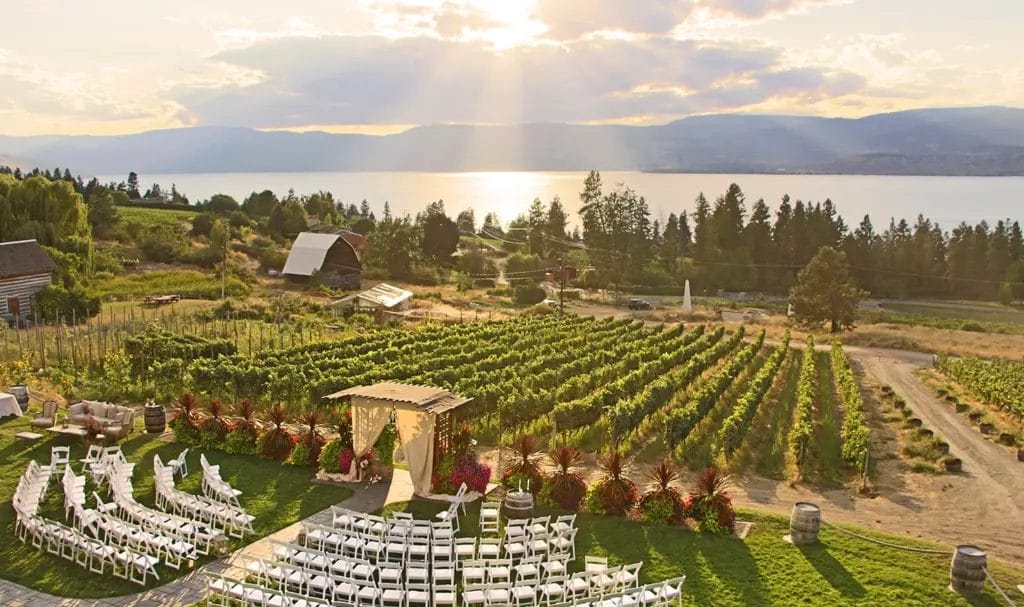
Wineries & Breweries
Alcohol is central to these venues, which means liability is central, too. Venues want shared protection in case a guest causes alcohol-related damage or injury.
If alcohol is part of your event (and at wineries it almost always is), having the appropriate liquor coverage is usually non-negotiable. That includes scenarios where:
- The venue is serving alcohol
- The alcohol is included (like an open bar)
- A licensed bartender is present
You may still need:
- General Liability
- Host Liquor Liability (included if alcohol is complimentary)
- Retail Liquor Liability (added if alcohol is sold)
- Additional insured wording
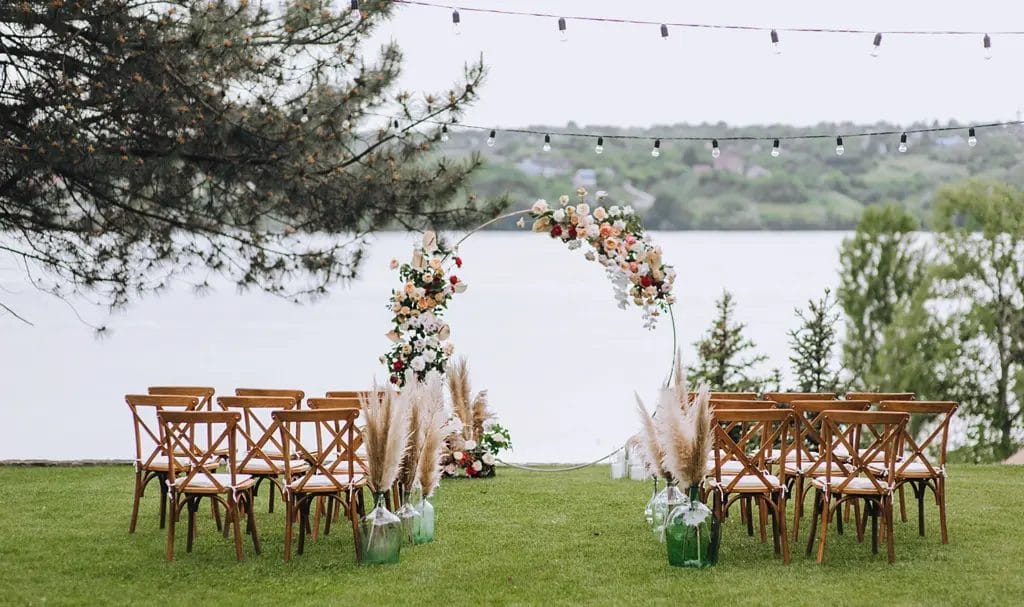
Private Estates & Short-Term Rentals (Airbnbs, VRBOs)
Homeowners’ insurance does not cover private weddings held on their property, like a backyard wedding. When it comes to rental properties, most short-term rental platforms often exclude event-related claims and require separate event insurance in the rental agreement.
If you’re renting a private home property:
- Confirm the landlord’s requirements
- List the owner or LLC as additional insured
- Verify the platform allows events
These policies protect you just as much as the homeowner.
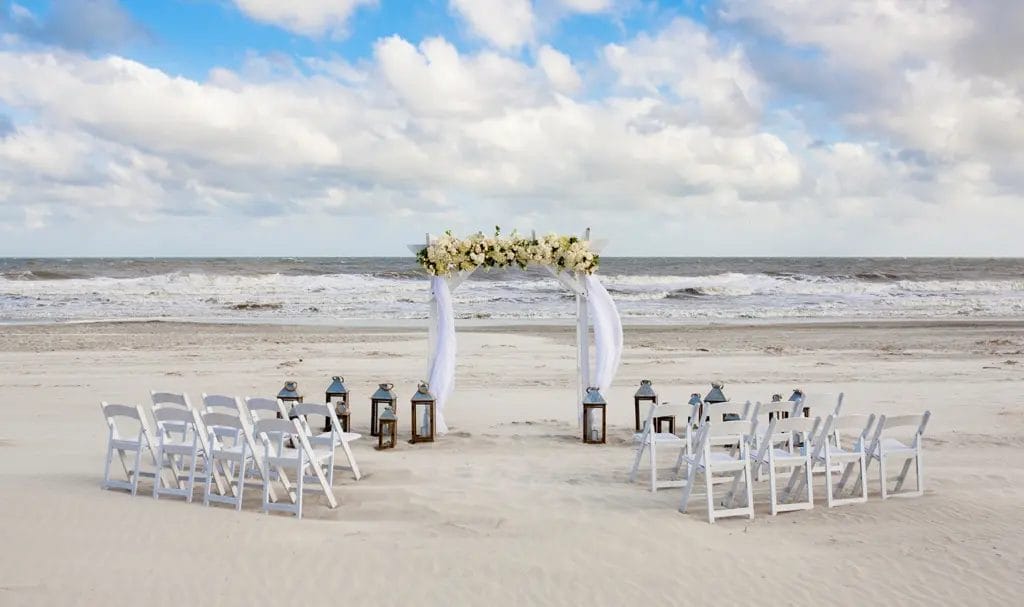
Public Parks & Beaches
Most beaches are owned and managed at the local, county, or state level. Government-owned property = stricter insurance requirements. If your wedding is at:
- A city park
- A state beach
- A public garden
- A courthouse lawn
You will almost always need:
- A special event permit
- Specific liability limits
- The municipality is listed exactly as written
- Occasionally, a Waiver of Subrogation
Pro Tip: Copy and paste the entity name exactly as written, including punctuation. If you need additional wording added to your policy (like a statement of text), our licensed agents can help — just contact our team via email or phone!
Common Wedding Day Insurance Requirements by Venues
| Venue Type | Why They’re Strict | Typical Limits | Additional Coverage |
|---|---|---|---|
|
Hotel / Ballroom |
– High guest volume |
$1M / $2M |
– Additional insured |
|
Barn / Farm |
– Fire risk |
$1M / $2M+ |
Higher Damage to Premises |
|
Museum / Library |
– Historic assets |
$1M / $2M |
– Primary & Non-Contributory |
|
Winery / Brewery |
– Alcohol-centric venue |
$1M / $2M |
– Host Liquor |
|
Private Home Estate |
– Personal property risk |
$1M / $2M |
– Additional insured |
|
Public Park |
– Local government-owned property |
$1M / $2M+ |
– Special municipality wording on COI |
Other Factors That Can Affect Your Coverage
The type of venue isn’t the only thing that can play a role in your insurance requirements. So can things like:
- Your venue’s ZIP code: For example, a wildfire-prone state or a coastal hurricane zone may require higher property damage limits
- Multi-day events: If you have a Friday rehearsal, a Saturday wedding, and a Sunday teardown, your policy needs to cover all three days
- Guest size: The number of guests can lead to an increase in risk and an increase in your estimated premium
What Wedding Insurance Coverages Do I Need?
While we can’t guarantee no one will show up wearing white, these wedding insurance coverages are designed to have your back for common injuries or damage claims that may occur:
- General liability: Covers accidental injuries or property damage
- Host liquor liability: Applies when you provide alcohol free of charge*
- Retail liquor liability: Required to add on when you charge for alcohol
- Medical payments: A no-fault coverage if someone gets a minor injury
- Damage to rented premises: Covers accidental damage to the space you’re renting (after seven days, it only covers fire damage)
You can also DIY your policy by adding optional coverages (sometimes called endorsements):
- Unlimited additional insureds: Add as many additional insureds as you need, like venues, vendors, cities, and more
- Increased limits: Raise your liability limits to meet higher venue requirements
- Hired and non-owned auto (HNOA): Covers the use of vehicles you do not own
- Golf cart exclusion removal: Allows coverage for golf carts driven by venue staff
- Primary and non-contributory: Your policy pays first for a claim you’re responsible for
- Waiver of subrogation: Prevents your insurer from seeking reimbursement for a claim from another party (like the venue’s insurance)
Worried a bridesmaid might take one too many shots? Grandpa may drop it a little too hot on the dance floor? Your wedding liability policy is made for the unplannable moments!
*Host liquor liability may be included on a policy if a venue is serving and charging for alcohol.
What Alcohol at Your Wedding Means for Insurance
Covering alcohol creates the most confusion for couples. Find out if you need liquor liability coverage for your wedding (and which kind) below:
Licensed bartender?
→ Ask for a copy of their COI + carry Host Liquor coverage yourself
Venue-provided bar?
→ Confirm their coverage limits + carry Host Liquor yourself
→ Still list the venue as additional insured on your policy
BYO or volunteer serving?
→ Host Liquor is typically included automatically
Dry wedding?
→ Confirm in writing that no alcohol will be served
Cash, ticketed, or for-profit bar?
→ Add Retail Liquor Liability to your policy
→ If a hired bartender is doing the pouring, get a copy of their COI as well
When unsure, Host Liquor is usually the safest move. With Insurance Canopy, it’s automatically included on all event policies!

What Venues Look For on Your Event COI
When you send your Certificate of Insurance, the venue manager is checking for specific things:
✔️ Their exact legal name and address are listed as an additional insured
✔️ Correct event dates
✔️ Minimum required limits
✔️ Required endorsements
If even one detail is off, they’ll request a revision. But don’t worry, that’s normal! It’s not a rejection, just compliance.
How to Get a Wedding Venue-Approved COI in Minutes
You can get a copy of your Certificate of Insurance so fast, you’ll almost hear those wedding bells ringing already!
- Start your quote
- Enter the venue address, event dates, and guest count
- Select a liquor coverage
- List your venue as an additional insured
- Add extra coverage, if required (you can request endorsements from your online dashboard post-purchase)
- Download your COI instantly and email it to your venue
Need Edits?
Talk to a licensed member of our team and get a reissued copy of your COI quickly with updated details. Many changes, like adding more coverage or listing an additional insured, can be made from your online dashboard at any time.

Say “Yes!” to Insurance Canopy
You said yes to the ring. Saying yes to insurance is much less dramatic. Insurance Canopy gets you:
✅ One easy policy
✅ Clear wording
✅ A COI most venues accept
And then? You get back to the fun parts of planning. Keep mood-boarding, couples!
FAQs About Wedding Insurance Coverages
Do All Wedding Venues Require Liability Insurance?
Most wedding venues require liability insurance. It’s common for hotels, public parks, museums, and larger venues to ask for it.
What Insurance Limits Do Wedding Venues Usually Ask For?
Wedding venues usually require insurance with limits of $1,000,000 per occurrence and $2,000,000 aggregate. Always check your contract for specifics.
Do I Need Liquor Insurance If Alcohol Is Complimentary?
Yes, you need liquor insurance even if alcohol is served complimentary. Insurance Canopy’s event policy automatically includes host liquor liability coverage for events where alcohol is present and served free to guests. This coverage can also apply to venues that include alcohol service.
If you plan to sell alcohol at your wedding or hire a bartender to man a cash bar, you’ll need to add Retail Liquor Liability to your event policy.
How Do I Add Multiple Wedding Venues to My Policy?
You can add multiple wedding venues to your policy during checkout, or at any time from your online dashboard. If you have more than one venue, like different rehearsal, ceremony, and reception venues, list each one separately as an additional insured.
Are Rehearsal and Teardown Covered?
Yes, rehearsal and teardown may be covered as long as the dates are included on your policy. Always extend coverage to match your full venue access window.
If I Need Insurance for a Public Park Permit, What Goes On My Certificate of Insurance?
A Certificate of Insurance for a public park permit should detail exactly what the permit letter says:
- Municipality legal name (often listed word-for-word as an additional insured)
- Minimum required limits (higher limits are fine)
- Required endorsements (additional coverage)
If you need special wording on your Certificate of Insurance, please contact our team. Only a licensed agent can add specific additional insured wording to a policy. They can also walk you through your coverage options to ensure you meet the park’s minimum requirements.
